In short
- England: up to £30,000 from your council. Adults are means-tested.
- Wales: up to £36,000. Since April 2021, small and medium grants are not usually means-tested.
- Northern Ireland: apply through your Health and Social Care Trust. nidirect says up to £35,000, or up to £70,000 in some cases.
- Scotland does not have Disabled Facilities Grants — it has a different system.
- Do not start work before your grant is approved, or you may not get any grant.
What is a Disabled Facilities Grant?
A Disabled Facilities Grant (DFG) is a grant to help a disabled person make changes to their home. GOV.UK says it covers people who "have age-related needs" as well as other disabilities.
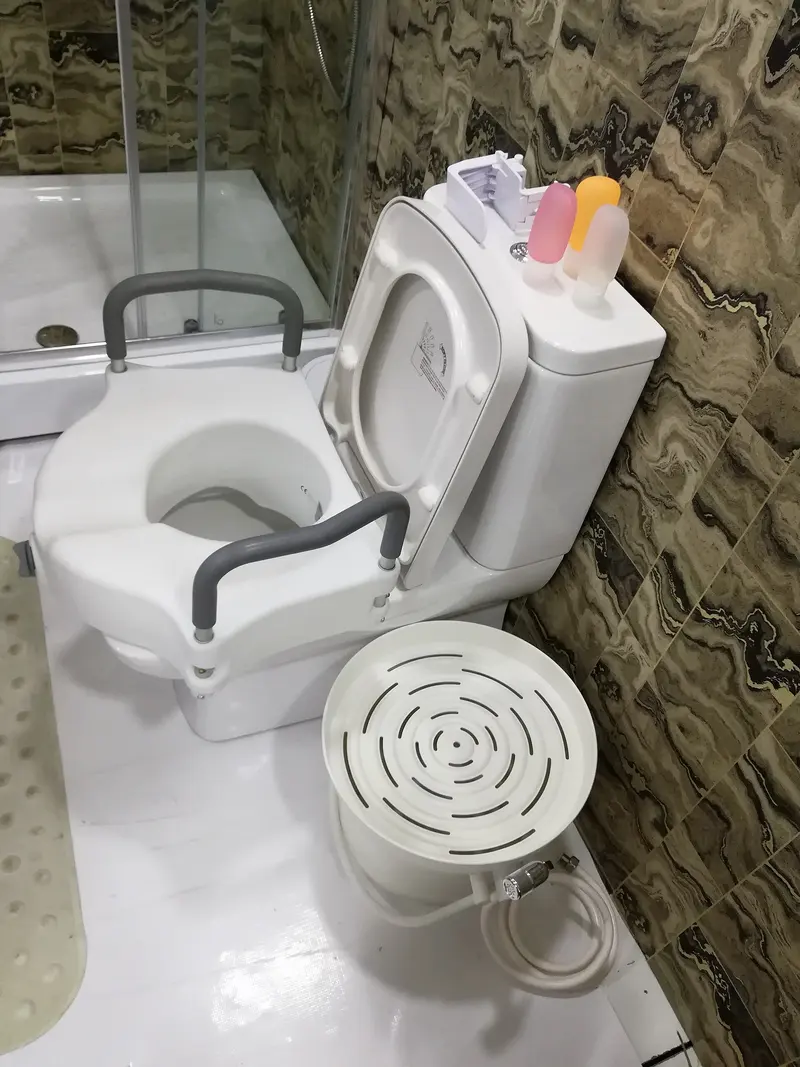
Examples GOV.UK gives include installing grab rails, and improving access to rooms and facilities, "for example with a stairlift, or level access shower". The NHS gives "fitting a wet room" as an example of an expensive adaptation that a DFG may help with.
GOV.UK says a DFG "will not affect any benefits you get".
England
How much?
Up to £30,000. GOV.UK says "some councils may give more".
The means test
For adults, the amount usually depends on your household income and household savings over £6,000. GOV.UK says you may need to pay towards the cost. Disabled children under 18 can get a grant without their parents' income being counted.
Who can apply?
The application must come from the owner, the tenant or the landlord. The disabled person must intend to live in the home for the grant period, which is usually 5 years.
The council must be satisfied that the work is:
- necessary and appropriate to meet the disabled person's needs, and
- reasonable and possible, depending on the age and condition of the home
How to apply
- Contact your local council. You can find your council on GOV.UK (opens another website).
- The council may send an occupational therapist or trained assessor to see what changes you need.
- You apply for any planning permission or building regulations approval separately.
- The council must give you a decision within 6 months.
- The work should be finished within 12 months of approval.
Do not start the work before the council approves your application. GOV.UK warns: "You might not get any grant if you start work on your property before the council approves your application."
Payment
The council may pay in instalments as the work goes on, or in full when it is finished. It may pay the builder directly. If you or a relative do the work, the council will normally only accept invoices for materials or services you have bought.
Help to apply, and appeals
GOV.UK says the government funds an organisation called Foundations that can help you apply. Home improvement agencies can also help — see our guide to charities and free advice. If you are unhappy with the decision, you can appeal to the council, and then complain to the Local Government and Social Care Ombudsman.
Wales
How much?
GOV.UK gives the maximum DFG in Wales as £36,000.
Less means-testing
The Welsh Government announced in March 2021 that, from April 2021, councils would not means-test small and medium DFGs, as a condition of its ENABLE funding. Large adaptations can still be means-tested.
ENABLE
In Wales you can apply to the ENABLE scheme, the DFG, or both. The Welsh Government gives these examples:
- small: grab rails, small ramps, accessible taps
- medium: a walk-in shower
- large: moving a bathroom or building an extension
How to apply
- If you own your home, contact your local council. It may send an occupational therapist.
- If you rent from a private landlord, the council or a housing association, the Welsh Government says to contact your landlord.
If you are unhappy, you can appeal to the council, and then to the Public Services Ombudsman for Wales.
Northern Ireland
How it works
In Northern Ireland, DFGs come from the Northern Ireland Housing Executive, based on an occupational therapist's recommendation. Owner-occupiers, landlords and private tenants can get help if a disabled person lives in the home.
To start, nidirect says to "contact your local Health and Social Services Trust", which will start the process and contact the Housing Executive. Your GP or social worker can also help. nidirect says you may be able to refer yourself to the occupational therapy service.
- Small jobs, such as handrails, may come from your Trust after an occupational therapy assessment.
- Major work, such as adding a shower room, goes through the DFG.
- If you rent from the Housing Executive or a housing association, nidirect says some minor adaptations are available from your landlord without an occupational therapy assessment. Major work needs an assessment.
How much?
nidirect says that if you are on a low income you may get "up to a maximum of £35,000", and that "in some cases NIHE may increase the award up to a maximum of £70,000". The grant is means-tested, so you may have to pay part of the cost. (GOV.UK's DFG page gives a lower figure of £25,000 for Northern Ireland. We have used nidirect's figures because nidirect is the Northern Ireland government's own website — check with your Trust.)
nidirect says: "Work must not start until you have approval from the Housing Executive."
Scotland
There are no Disabled Facilities Grants in Scotland. Read our guide to help with adaptation costs in Scotland.
Small changes may be free
In England, small aids and adaptations costing £1,000 or less should be free after a council assessment, so you may not need a DFG for them. See free equipment and small adaptations.
Questions people ask
Can I get a walk-in shower paid for?
Possibly. In England, Wales and Northern Ireland, a Disabled Facilities Grant can pay for changes such as a level-access shower if an assessment shows you need it. Adults are usually means-tested in England. In Wales, small and medium grants are not usually means-tested. In Scotland, councils give grants of at least 80% of the approved cost of essential adaptations.
Start by asking your council for an assessment. In Northern Ireland, contact your Health and Social Care Trust.
Will a Disabled Facilities Grant affect my benefits?
GOV.UK says: "A Disabled Facilities Grant will not affect any benefits you get."
Can I start the work before my grant is approved?
No. GOV.UK warns that you might not get any grant if you start work before the council approves your application. In Northern Ireland, nidirect says work must not start until you have approval from the Housing Executive.
Sources we checked
- GOV.UK: Disabled Facilities Grants (opens another website)
- GOV.UK: Disabled Facilities Grants – what you'll get (opens another website)
- GOV.UK: Disabled Facilities Grants – eligibility (opens another website)
- GOV.UK: Disabled Facilities Grants – how to apply (opens another website)
- GOV.UK: Apply for a Disabled Facilities Grant (find your council) (opens another website)
- Welsh Government: Adapt your home if you are disabled or an older person (opens another website)
- Welsh Government: ENABLE – support for living independently (opens another website)
- Welsh Government: Removing the means test on small and medium DFGs (10 March 2021) (opens another website)
- nidirect: Disabled Facilities Grants (opens another website)
- nidirect: Adapting your home (opens another website)
- NHS: Home adaptations (opens another website)
We last checked these sources on 3 October 2026. Rules and amounts can change, so please check with the organisation before you rely on them.
Get an assessment first
An occupational therapist (OT) can visit you at home and recommend what is safe and suitable for you. Ask your council’s adult social care team — in Northern Ireland, your Health and Social Care Trust.
This guide is general information, not medical, financial or legal advice. Everyone’s needs are different. Speak to an occupational therapist, your GP or the organisations we link to before making decisions.