All guides
Every guide on this site, grouped by topic. Each guide is written in plain English and lists the official sources we checked.
Baths, showers and wet rooms 4 guides
What walk-in baths, level-access showers and wet rooms are, who they suit, and how to choose between them.
-
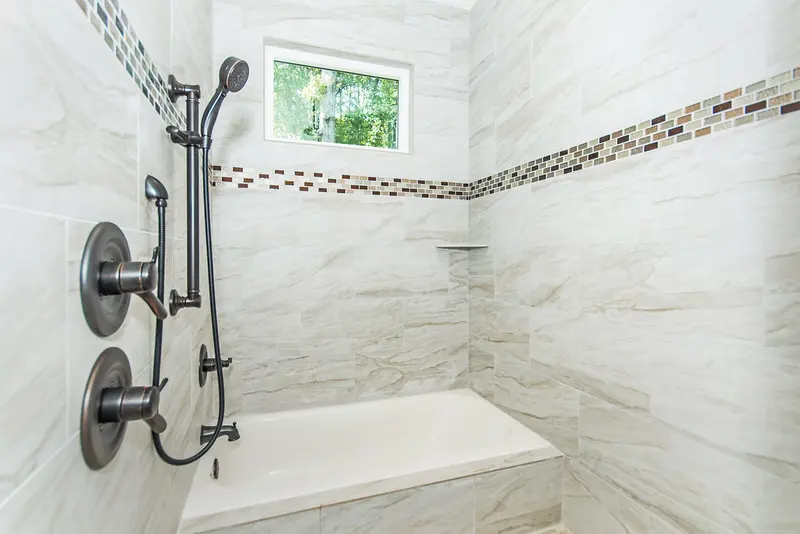 Bath, shower or wet room: how to choose
A plain comparison of keeping your bath with some aids, a walk-in bath, a level-access shower and a wet room — and the questions that help you decide.
Photo: LakeMartinVoice, CC BY 2.0
-
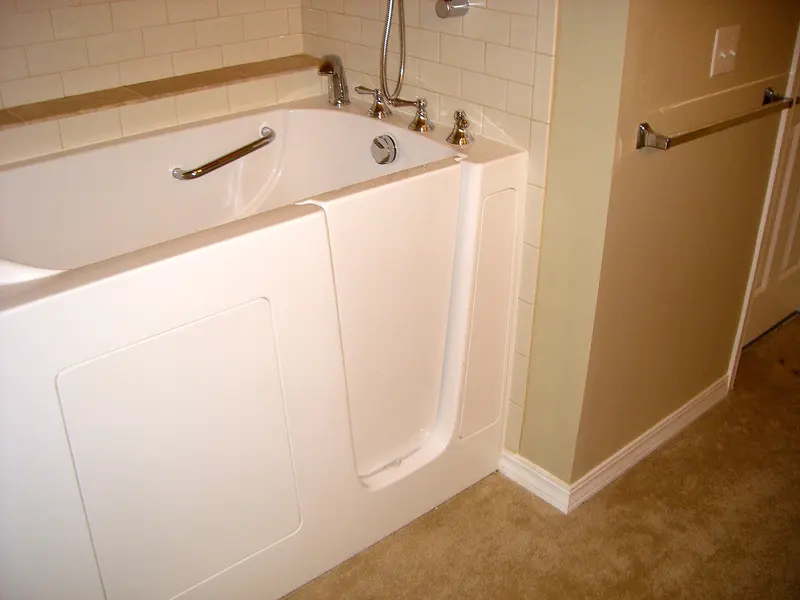 Walk-in baths: what they are and who they suit
A walk-in bath has a door in the side, so you step over a low threshold instead of climbing over the side of the bath. How they work, the different types, and the downsides to know about.
-
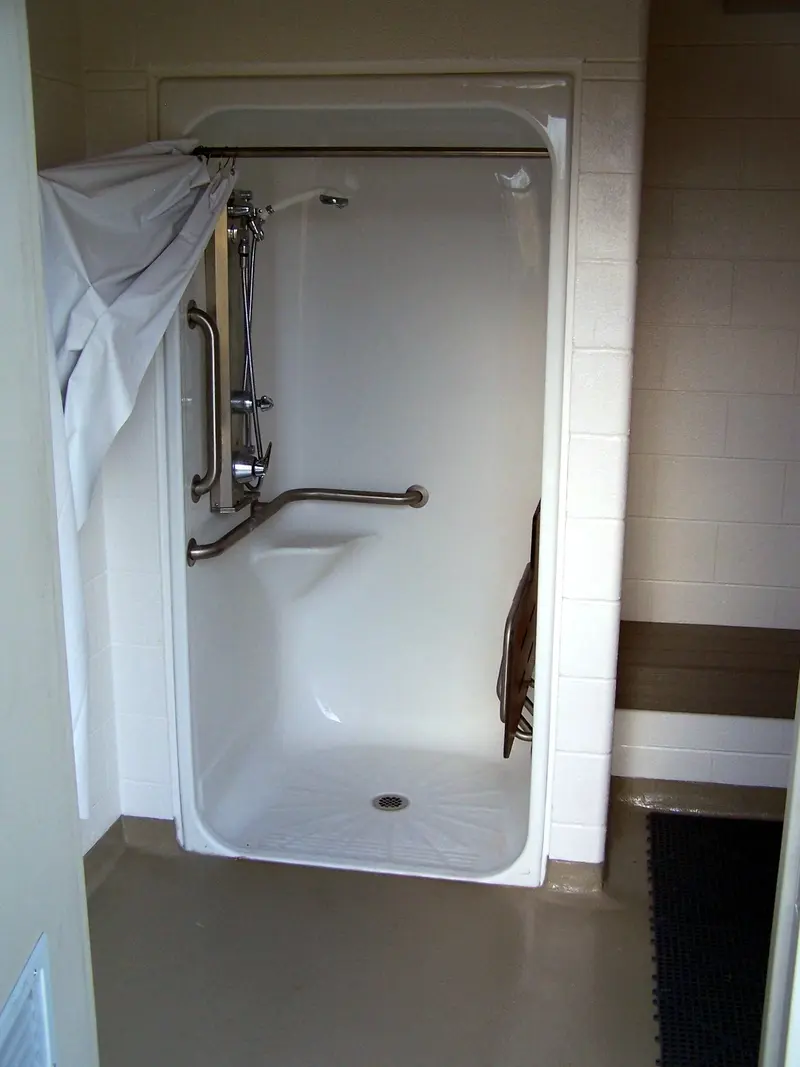 Walk-in and level-access showers
Swapping a bath for a shower you can walk into is one of the most common bathroom adaptations. The difference between low trays and level access, and what to ask for.
Photo: vastateparksstaff, CC BY 2.0
-
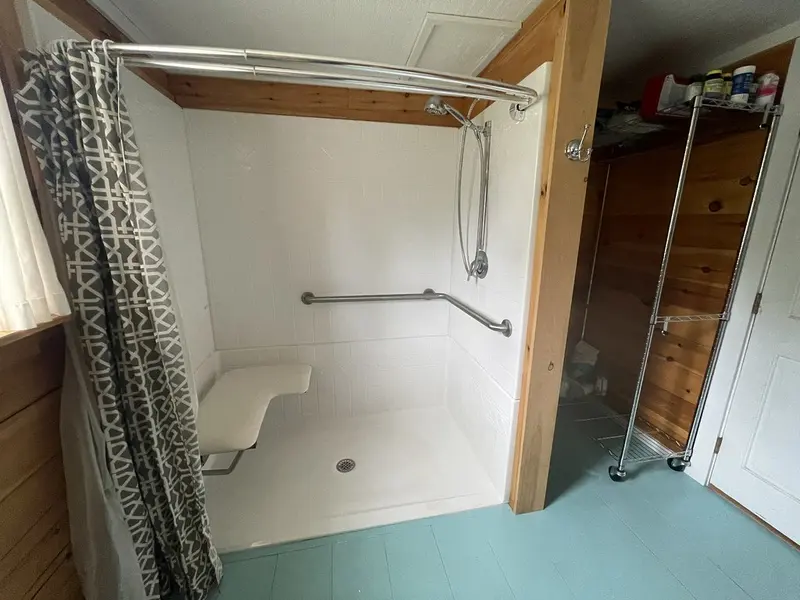 Wet rooms: what is involved
In a wet room the shower is part of the floor, which is waterproofed and slopes gently to a drain. It gives the most space and no step at all, but it is the biggest building job.
Photo: yvthzwli86, CC0
Bathroom aids 5 guides
Smaller items such as grab rails, shower seats, bath lifts and raised toilet seats. Many cost far less than a new bathroom.
-
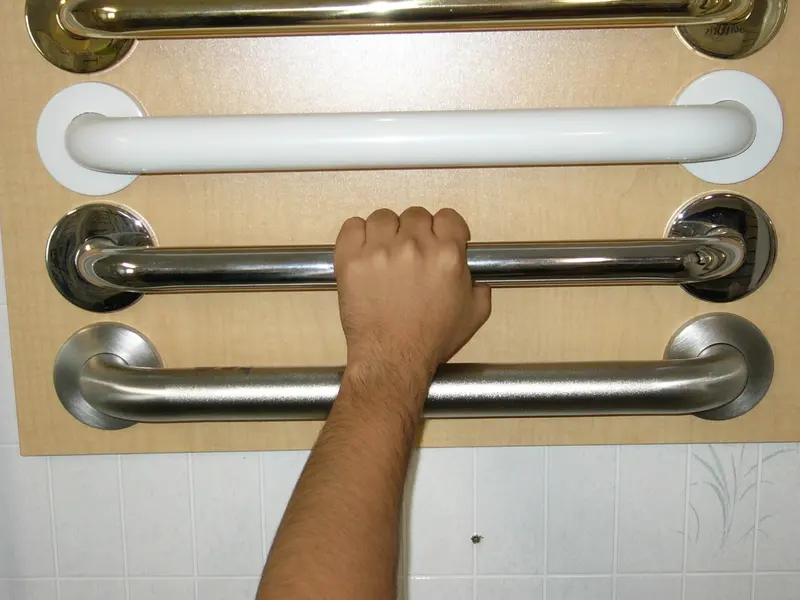 Grab rails: where they help and how they are fitted
A well-placed grab rail gives you something firm to hold when you get in and out of the bath or shower, or up from the toilet. Where rails go, what to look for and how they must be fixed.
Photo: Oneweekendwebsite, CC BY-SA 3.0
-
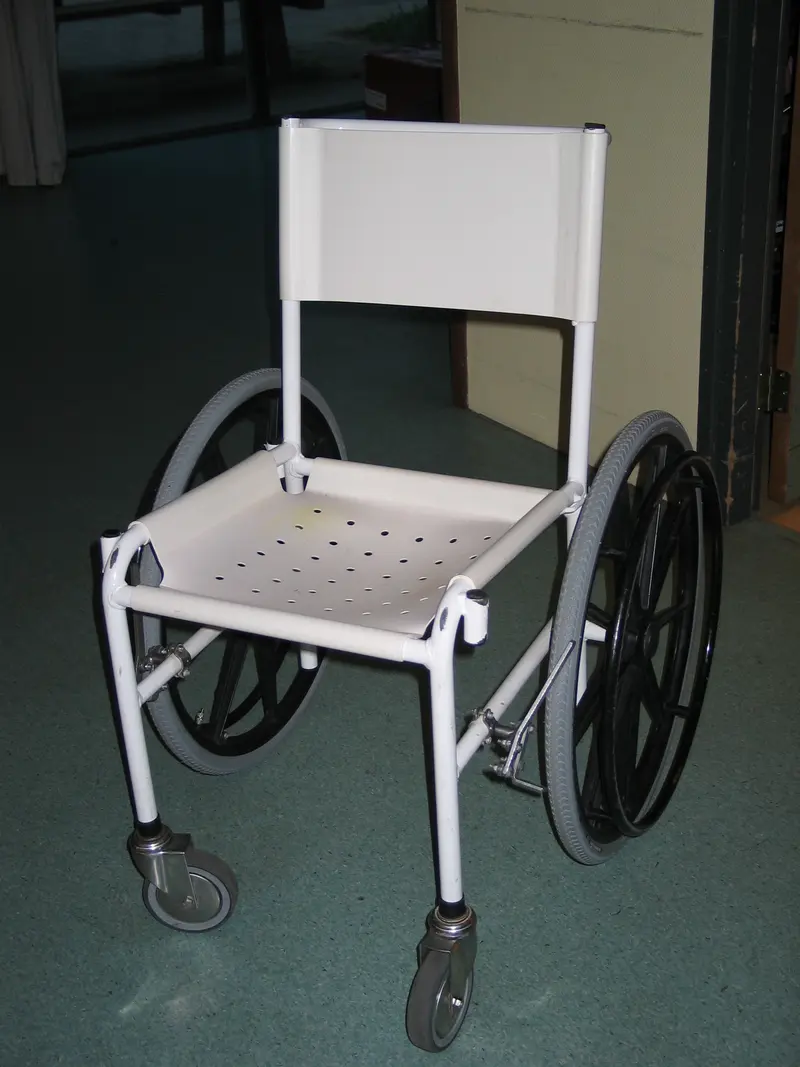 Shower seats, stools and chairs
Sitting down to shower is safer if standing is tiring or your balance is not steady. The types of shower seat, and what to check.
Photo: Ciell, CC BY-SA 2.5
-
Bath lifts, bath boards and bath seats
Aids that help you keep using your bath — a board or seat across the bath, or a powered lift that lowers you into the water and raises you back up.
-
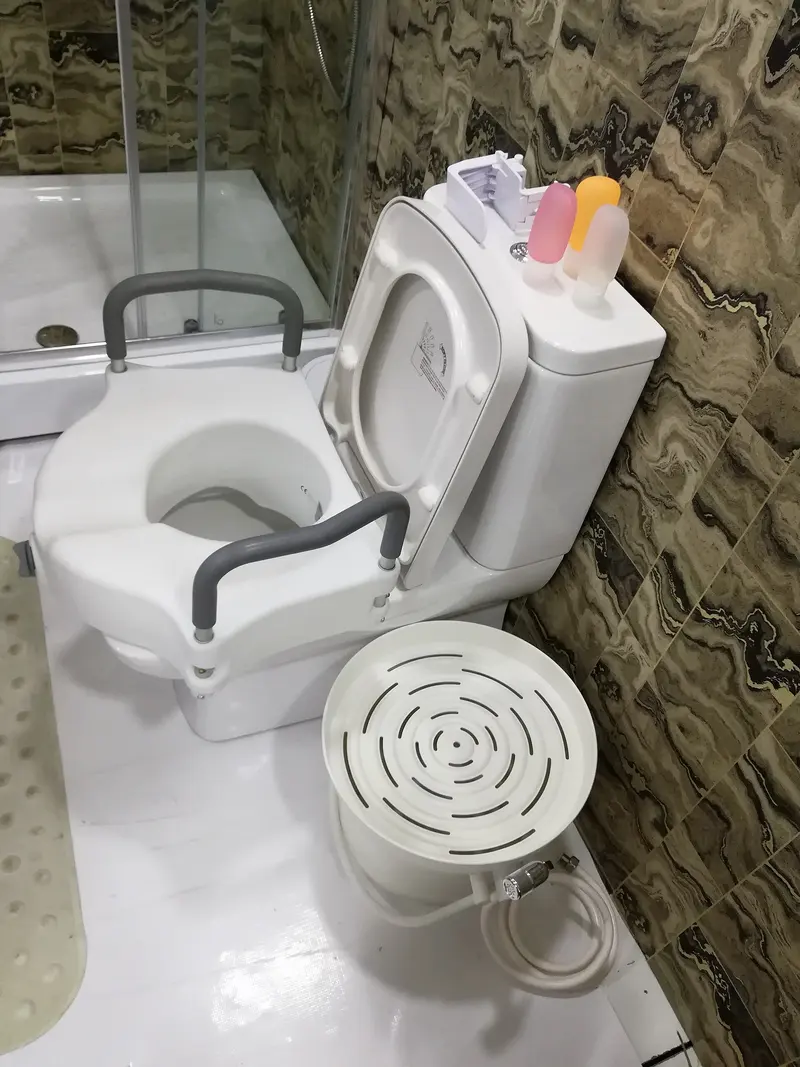 Raised toilet seats and toilet frames
If getting on and off the toilet is hard, a raised seat, a toilet frame or a well-placed rail can help. What each one does and what to check.
Photo: Ashashyou, CC BY-SA 3.0
-
Lever taps and other small aids
Taps that are easier to turn, long-handled sponges, non-slip mats and other small things that can make washing easier and safer.
Safety in the bathroom 4 guides
How to cut the risk of slips, falls and scalds, and how to get help quickly if something goes wrong.
-
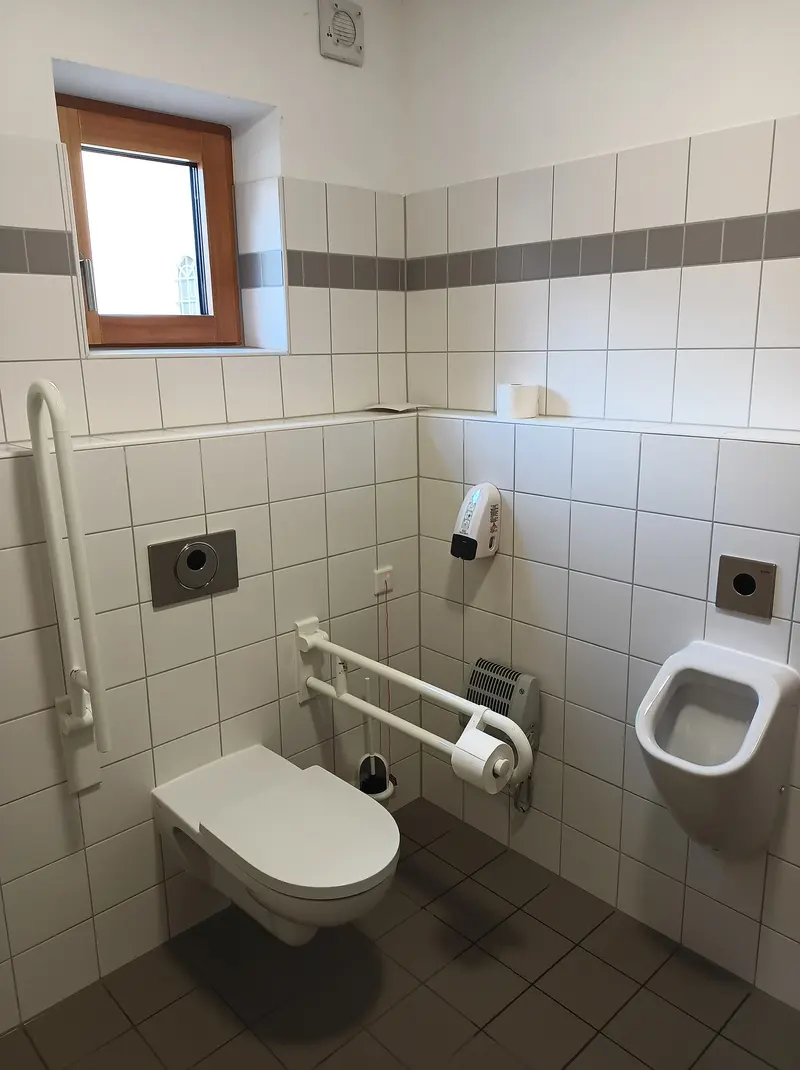 Preventing slips and falls in the bathroom
Wet floors, getting in and out of the bath and night-time trips to the toilet are common causes of falls. Simple changes that help, from official advice.
Photo: APneunzehn74, CC0
-
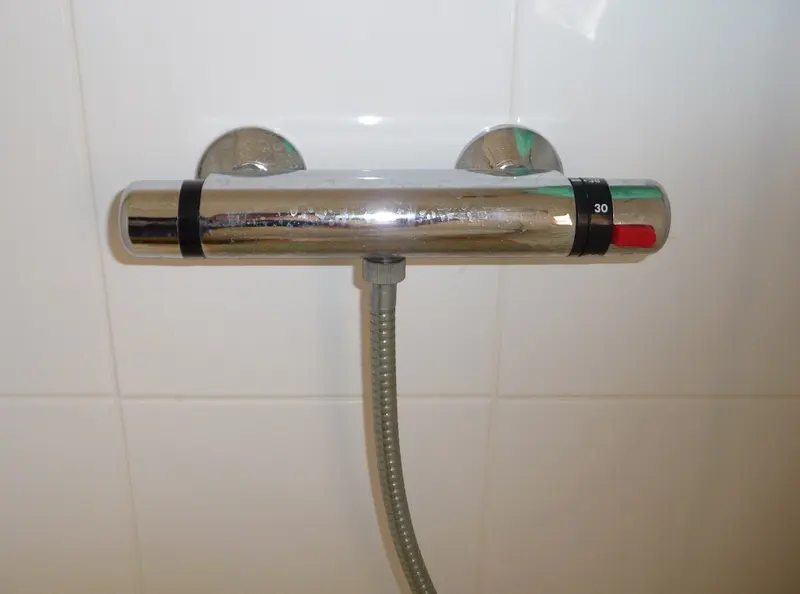 Preventing scalds: hot water safety
Older people and people with poor feeling in their skin can be badly hurt by hot bath or shower water. How temperature controls work, and the figures official guidance uses.
-
Personal alarms and getting help quickly
If you fall in the bathroom, you need a way to call for help. Personal alarms, pull cords and fall detectors explained, and a common problem with pendants in the bath.
-
Electrical safety in the bathroom
Water and electricity are a dangerous mix. The rules for electrical work near a bath or shower, and why you should always use a registered electrician.
Help with costs 6 guides
Grants, VAT relief and charity help. What you can get depends on where in the UK you live.
-
Disabled Facilities Grants explained
A Disabled Facilities Grant (DFG) can pay for changes such as a level-access shower. How much you can get, who can apply and how it works in England, Wales and Northern Ireland.
-
Free equipment and small adaptations
In England, the council must provide aids and minor adaptations costing £1,000 or less free of charge if your assessment shows you need them. How to ask, and what happens in the rest of the UK.
Photo: Ashashyou, CC BY-SA 3.0
-
Help with adaptation costs in Scotland
Scotland does not have Disabled Facilities Grants. Instead, councils give grants for essential adaptations under a "scheme of assistance". How it works and how to start.
-
VAT relief on bathroom adaptations
Disabled people can have a bathroom adapted for their needs without paying VAT. People aged 60 or over pay 5% VAT on some items, such as grab rails, bath lifts and walk-in baths. The rules, and the forms you need.
-
Charities and free advice
Free, independent help with adaptations, grants and finding equipment — from national charities, home improvement agencies and advice services across the UK.
-
What do bathroom adaptations cost?
We only publish cost figures from named, dated sources. Here is what official figures show — and why you should always get several written quotes for your own home.
Planning the work 6 guides
Getting an assessment, choosing an installer, the questions to ask, and looking after your new bathroom.
-
Getting an occupational therapy assessment
An occupational therapist (OT) can visit you at home, see what you find hard, and recommend what would help. How to ask for an assessment from your council in each part of the UK, and how to find a private OT.
-
How to choose an installer
How to find a trustworthy company to fit a walk-in bath, shower or wet room — trader schemes, quotes, contracts, deposits and the warning signs of a bad trader.
-
Questions to ask installers
A printable checklist of questions to ask before you agree to a walk-in bath, shower or wet room — so you can compare quotes fairly and avoid surprises.
-
Your rights when you buy at home
If you agree to work or products during a visit to your home, you usually have 14 days to change your mind. How the cooling-off period works, and what to do if you were pressured.
-
Aftercare and maintenance
Simple checks to keep your new bathroom and equipment safe — grab rails, seats, mats, bath lift batteries, temperature controls and showers that are not used often.
-
If you rent your home
Tenants can get bathroom adaptations too. Who to contact first depends on who your landlord is and where in the UK you live.