In short
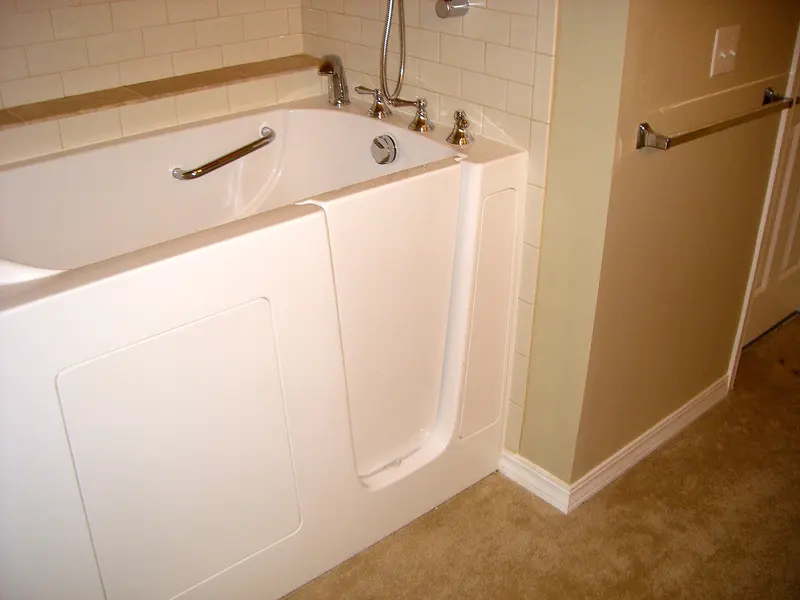
- You open a door in the side of the bath, step in over a low step, sit down and close the door.
- You get in before the bath fills, and you stay in while it empties. You can get cold while you wait.
- Doors open inwards or outwards. An outward-opening door needs space to swing open.
- They suit people who can take a small step and sit down, but find climbing into a normal bath hard or unsafe.
- A walk-in bath is a costly change. Get an occupational therapy assessment before you buy.
What is a walk-in bath?
A walk-in bath is also called a side-entry bath. It has a watertight door in the front or the side. You open the door, step in, sit down and close the door. Then you fill the bath.
Living Made Easy, an independent advice service about equipment for daily living, explains that there are no high sides to climb over, "but there is a low step beneath the door".
Who might a walk-in bath suit?
A walk-in bath may suit you if:
- climbing over the side of a normal bath has become hard or unsafe
- you can still take a small step and sit down on a seat
- a soak in the bath matters to you, for example because it helps with pain or stiffness
Living Made Easy says short walk-in baths are usually used by people who bathe on their own. People who need help from a carer are more likely to use full-length baths with a step or a hoist.
A walk-in bath may not suit you if you cannot manage any step at all, if you use a wheelchair most of the time, or if you get cold easily (see below). In those cases, a level-access shower or a wet room may work better.
Types of walk-in bath
Door types
Doors open either inwards or outwards. An outward-opening door needs space in front of the bath so it can swing open. Ask to see how the door handle works. You need to be able to open and close it easily, with wet hands.
Seats and length
Some walk-in baths have a seat moulded into the bath. Living Made Easy says these tend to be shorter, so there is less room for your legs, and they "may well be too cramped" if your hips or knees are stiff. Square baths take up less floor space.
Powered seats and other extras
Some suppliers offer extras, such as a powered seat or water jets. Before you agree to any extra, ask what it does, whether you need it, what it adds to the price, and whether it will need servicing.
Filling and emptying: the main downside
The door must stay shut while there is water in the bath. This means:
- You get into the empty bath and close the door.
- You stay sitting in the bath while it fills.
- When you have finished, you stay in the bath until all the water has drained away.
- Only then can you open the door and get out.
Living Made Easy warns that during this time "you may become chilled". Keep the bathroom warm while you use it.
How long a walk-in bath takes to fill and empty depends on the bath and on the water supply in your home. Ask the supplier, in writing, how long it will take to fill and to empty in your home.
Living Made Easy also suggests checking how much water the new bath needs compared with your old one, and whether your hot water tank is big enough to fill it.
Things to check before you buy
- Can you reach the controls? Make sure you can reach the taps, the plug and the door handle while sitting down, especially if you bathe on your own.
- The step. There is still a step to get in and out. Living Made Easy says "some may find this difficult".
- Hot water safety. Ask how the hot water temperature will be controlled. See our guide to preventing scalds.
- Grab rails. Ask where rails will go, so you can hold on as you get in and out.
- Servicing. Ask what servicing the bath needs, especially if it has moving parts, and what it costs.
- An assessment. Living Made Easy says a specialist bath "can be a costly adaptation" and recommends an assessment by an occupational therapist first. How to get an assessment.
VAT on walk-in baths
- If you are 60 or over, a walk-in bath with a sealable door is one of six items that have VAT at 5% instead of 20%, as long as it is supplied and installed in your home.
- If you are disabled or have a long-term illness, HMRC gives "having a bath removed and replaced with a shower or walk-in bath" as an example of work that can be free of VAT, if you have difficulty getting in and out of a normal bath because of your disability.
Read our guide to VAT relief for the conditions and the forms you need.
Other options to consider
- A bath lift lets you keep your current bath. It lowers you into the water and raises you back up.
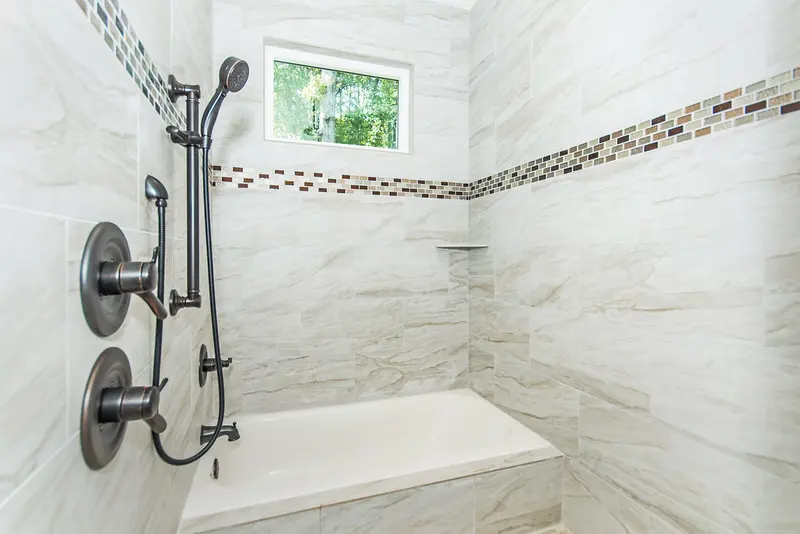
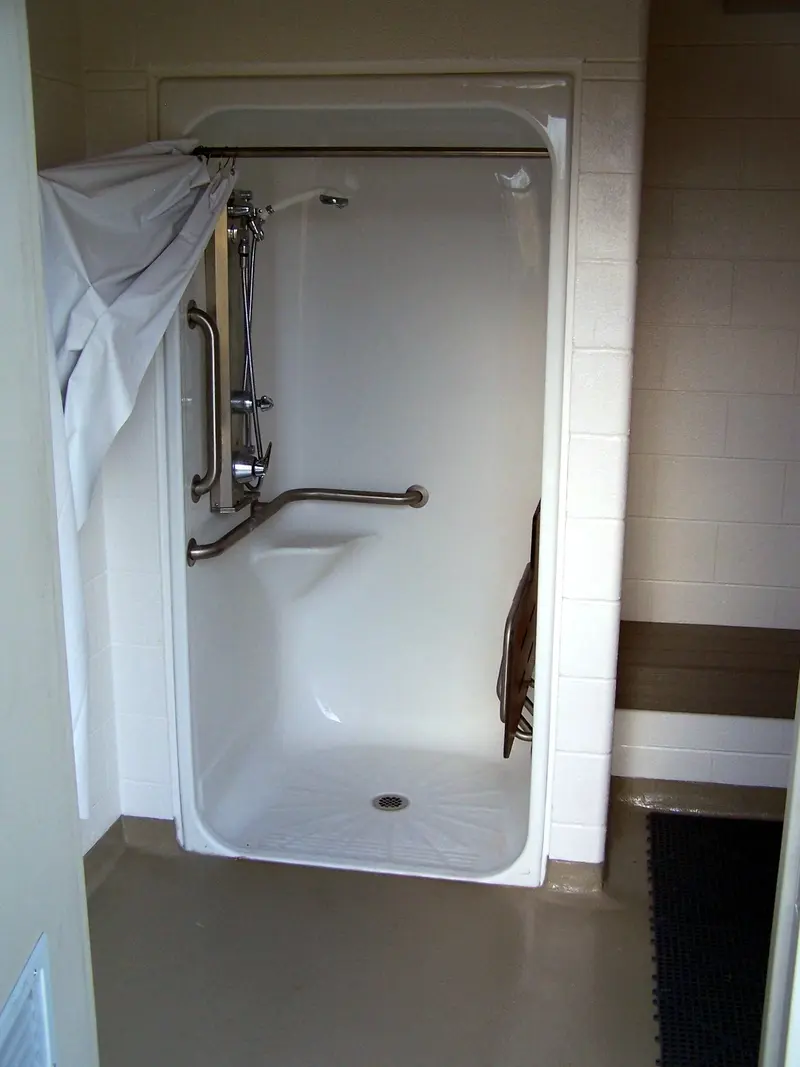
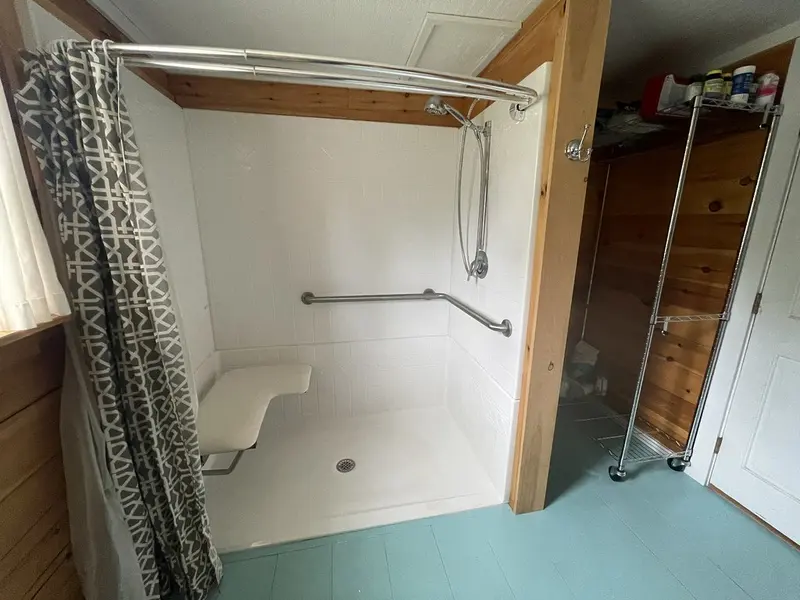
- A level-access shower has no bath side and little or no step.
- Not sure? Try our Which option suits me? questions.
Questions people ask
Do you have to sit in a walk-in bath while it fills and empties?
Yes. The door only opens when the bath is empty, so you get in before it fills and wait for the water to drain before you get out. Living Made Easy warns you may get chilled while you wait, so keep the bathroom warm. Ask the supplier how long their bath takes to fill and empty in your home.
Sources we checked
- Living Made Easy: Bath lifts and hoists (section on walk-in baths) (opens another website)
- Living Made Easy: Side entry baths (opens another website)
- Living Made Easy: Adapting your home – the bathroom (factsheet) (opens another website)
- GOV.UK: VAT on mobility aids (5% for people aged 60 or over) (opens another website)
- HMRC: VAT relief on certain building work if you have a disability (opens another website)
We last checked these sources on 3 October 2026. Rules and amounts can change, so please check with the organisation before you rely on them.
Get an assessment first
An occupational therapist (OT) can visit you at home and recommend what is safe and suitable for you. Ask your council’s adult social care team — in Northern Ireland, your Health and Social Care Trust.
This guide is general information, not medical, financial or legal advice. Everyone’s needs are different. Speak to an occupational therapist, your GP or the organisations we link to before making decisions.