In short
- Start with what you find hard now, and what may change in the future.
- Small aids such as grab rails, a bath board or a bath lift may let you keep your bath.
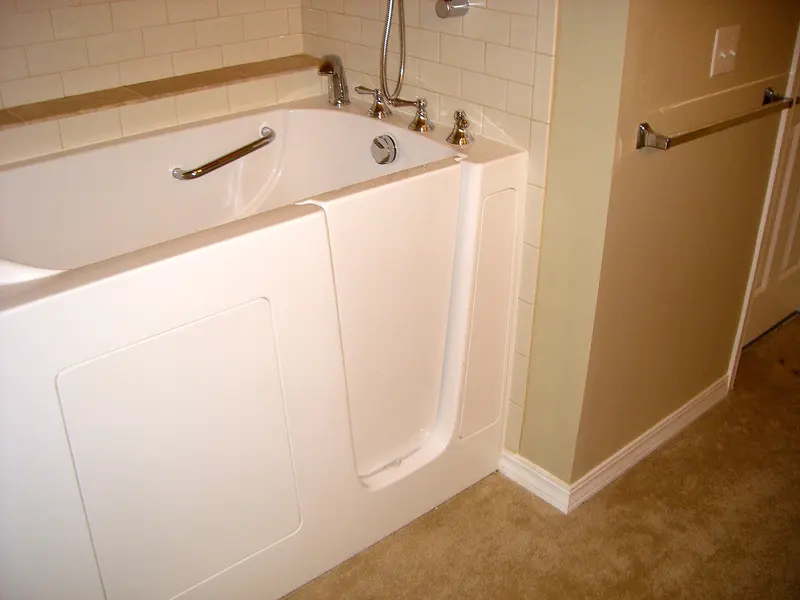
- A walk-in bath keeps the soak, but you stay in it while it fills and empties.
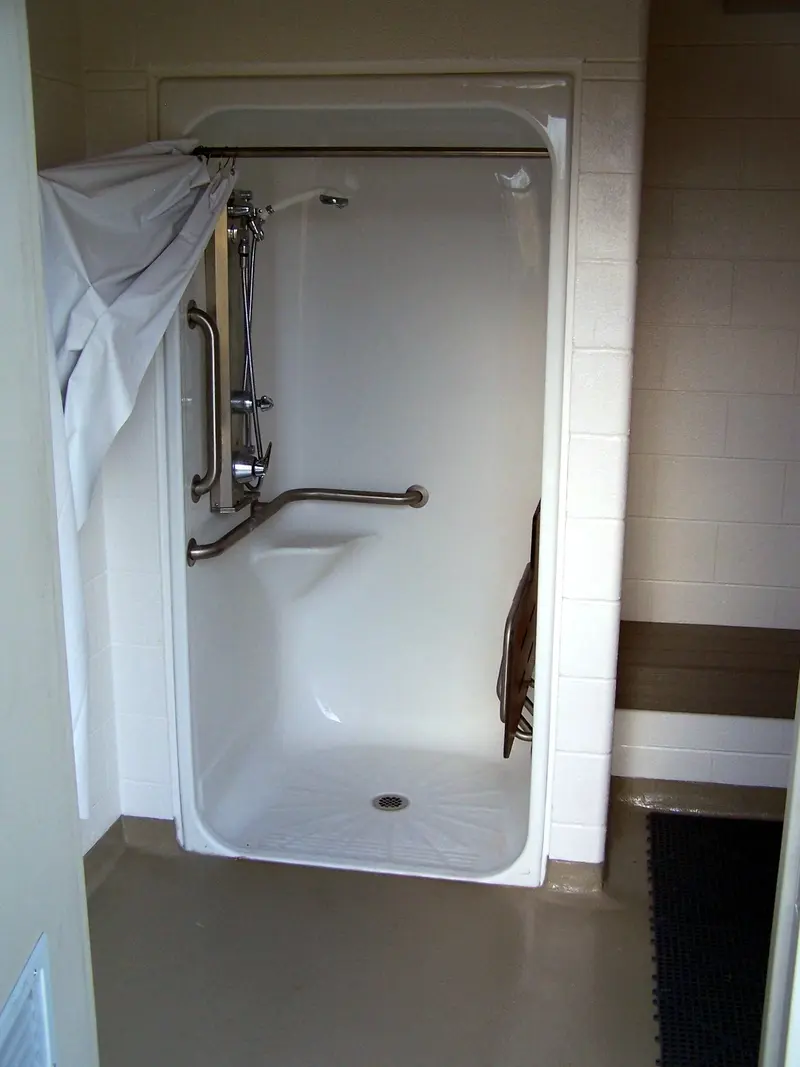
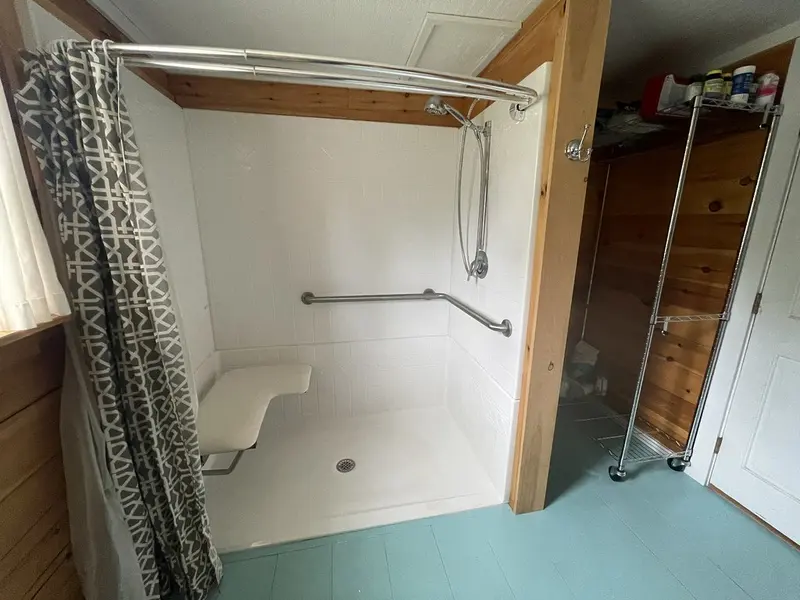
- A level-access shower or wet room removes the step, and leaves more room for a carer.
- An occupational therapist can assess you and recommend what is safe. In England, a home assessment from the council is free.
Start with what you find hard
Before you look at products, think about what is difficult now. For example:
- Is it getting in and out of the bath?
- Is it standing for long enough to wash?
- Is it getting up from sitting?
- Do you need someone to help you?
- Could your needs change in the next few years?
Write your answers down. They will help you talk to an occupational therapist, and to compare quotes. Our Which option suits me? questions can help too.
The main options at a glance
| Option | Getting in | Sitting to wash | Room for a carer | Building work |
|---|---|---|---|---|
| Keep your bath, with small aids | Still climb over the side, with a rail or bath board to help | Bath board or bath seat | Little | Little or none |
| Bath lift | Sit on the lift at the bath edge and lift your legs over | You stay on the seat | Little | None: it sits in your bath |
| Walk-in bath | Through a door, over a low step | Many have a built-in seat | Less: help from outside the bath | Replaces your bath |
| Level-access shower | No step, or a very low lip | Shower seat or chair | Some, more with half-height doors | Replaces your bath or old shower |
| Wet room | No step | Shower seat, or a wheeled chair that rolls in | The most | The most: waterproofing and a sloping floor |
Keeping your bath
If you can still get in and out with a bit of help, small changes may be enough:
- grab rails to hold on to
- a non-slip mat
- a bath board or bath seat
- a powered bath lift
Living Made Easy says that, although bath lifts can be expensive, a bath lift "may be more cost-effective than installing a special bath or shower". But with any bath lift, you still need to be able to lift your legs over the side of the bath.
A walk-in bath
A walk-in bath has a door, so there is no high side to climb over. It keeps the soak. But you have to get in before it fills and stay in while it drains, and there is still a low step.
A level-access shower
A level-access shower has no step, or a very small one. You can sit on a seat to wash, and a carer can help more easily. You lose the bath.
A wet room
A wet room makes the shower part of a level, waterproofed floor. It gives the most space for a wheeled shower chair, a carer or a hoist, but it is the biggest building job.
Think ahead
A change to your bathroom should work for you now and in the years ahead. If your condition is likely to change, tell the occupational therapist. A choice that suits you today may not suit you in five years.
Get an assessment
The NHS says your local council can assess your home and recommend changes, and that "having a home assessment is free". An occupational therapist will visit, ask questions and walk around with you to see what you find hard. How to get an assessment.
Questions people ask
Is a walk-in bath better than a shower?
It depends on what you find hard and what matters to you. A walk-in bath keeps the soak, but there is still a low step and you wait inside while it fills and empties. A level-access shower or wet room has little or no step and more room for a carer, but no soak. Try our Which option suits me? questions, and ask an occupational therapist.
Sources we checked
- Living Made Easy: Bath lifts and hoists (opens another website)
- Living Made Easy: Showers (opens another website)
- Living Made Easy: Adapting your home – the bathroom (factsheet) (opens another website)
- NHS: Home adaptations (opens another website)
- Age UK: Adapting your home (information guide) (opens another website)
We last checked these sources on 3 October 2026. Rules and amounts can change, so please check with the organisation before you rely on them.
Get an assessment first
An occupational therapist (OT) can visit you at home and recommend what is safe and suitable for you. Ask your council’s adult social care team — in Northern Ireland, your Health and Social Care Trust.
This guide is general information, not medical, financial or legal advice. Everyone’s needs are different. Speak to an occupational therapist, your GP or the organisations we link to before making decisions.