Safety in the bathroom
How to cut the risk of slips, falls and scalds, and how to get help quickly if something goes wrong.
-
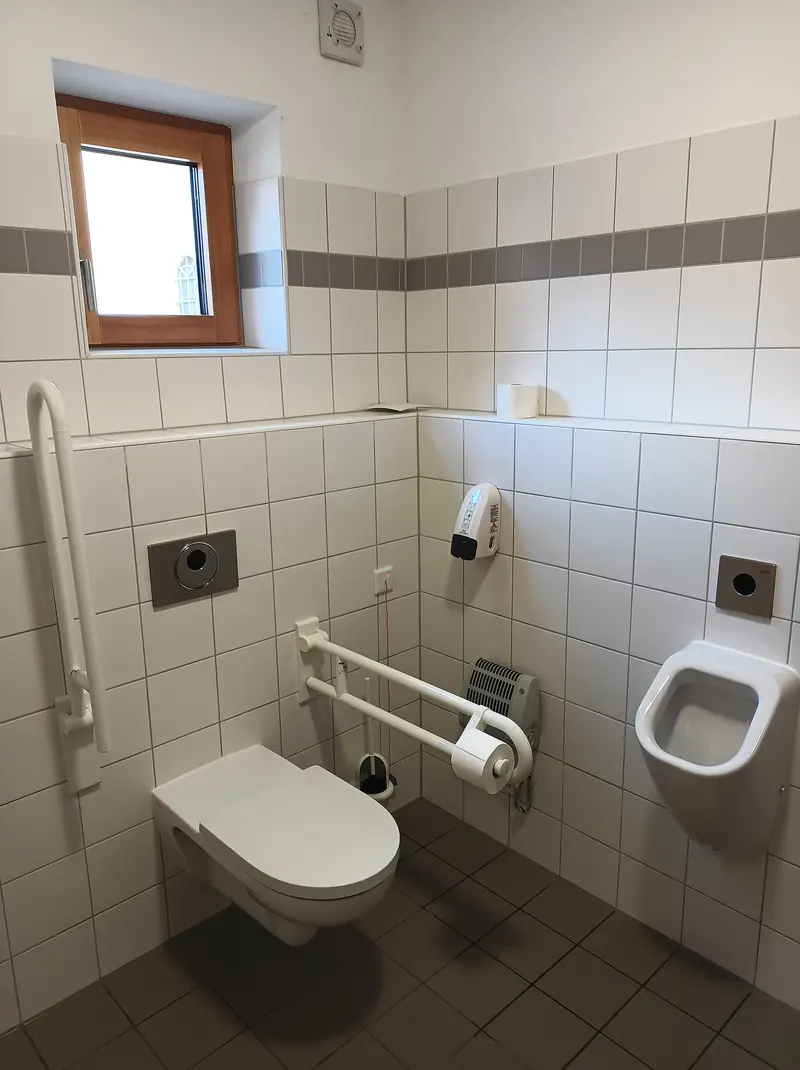 Preventing slips and falls in the bathroom
Wet floors, getting in and out of the bath and night-time trips to the toilet are common causes of falls. Simple changes that help, from official advice.
Photo: APneunzehn74, CC0
-
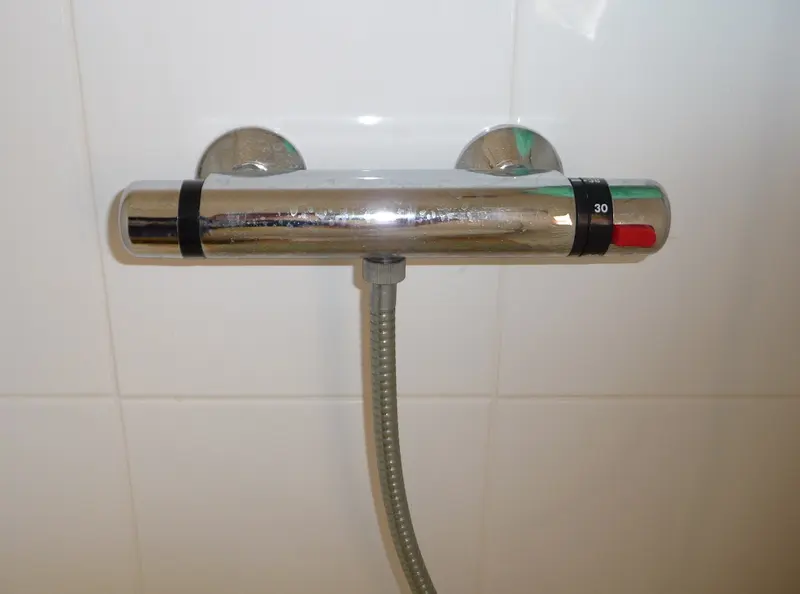 Preventing scalds: hot water safety
Hot bath or shower water can badly hurt older people and people with poor feeling in their skin. How temperature controls work, and the official figures.
-
Personal alarms and getting help quickly
If you fall in the bathroom, you need a way to call for help. Personal alarms, pull cords and fall detectors explained, and a common problem with pendants in the bath.
-
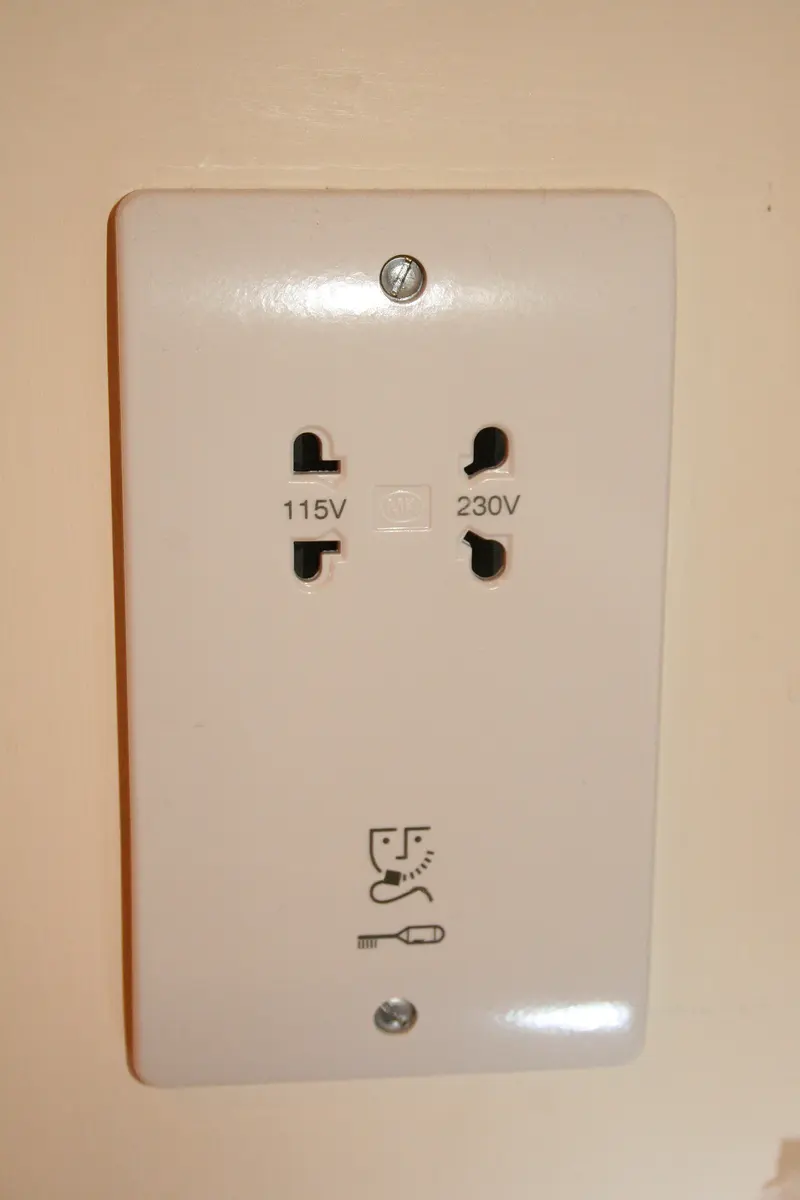 Electrical safety in the bathroom
Water and electricity are a dangerous mix. The rules for electrical work near a bath or shower, and why you should always use a registered electrician.
-
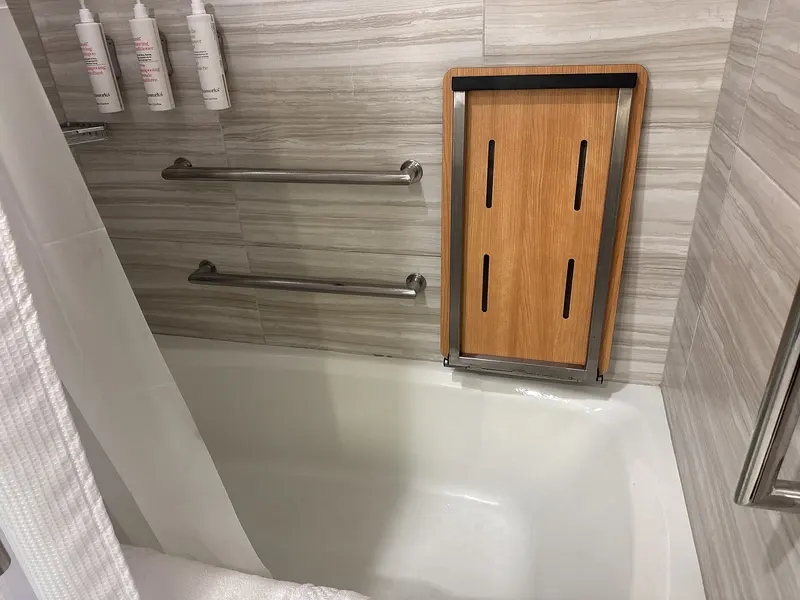 Helping someone to wash: tips for carers
If you help a partner, parent or friend to wash, bath or shower, a few simple steps make it safer and more comfortable for you both. What the NHS advises, and where carers can get free help and equipment.
-
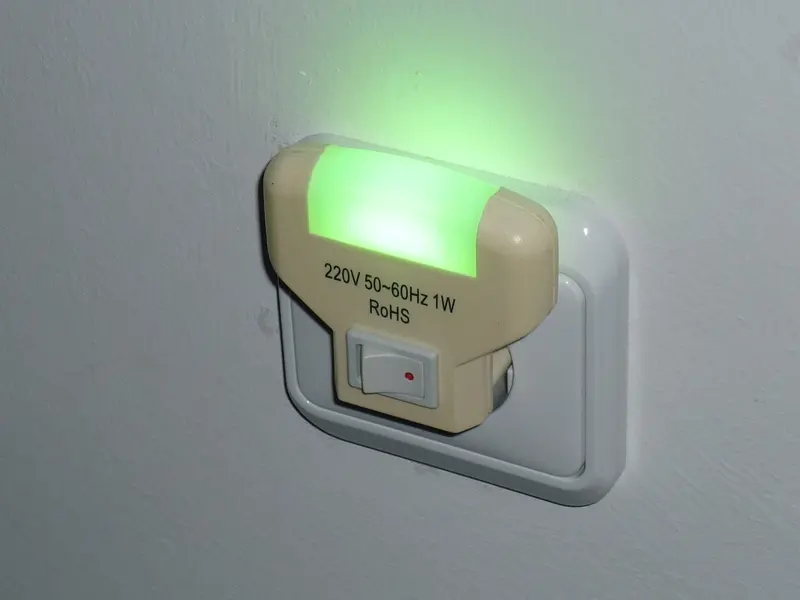 A dementia-friendly bathroom
Dementia can make it harder to find the toilet, see where things are and feel safe when washing. Simple changes to lighting, colour, signs and fittings that the NHS suggests, and how to get help.
Photo: Tetris L, CC BY-SA 3.0
-
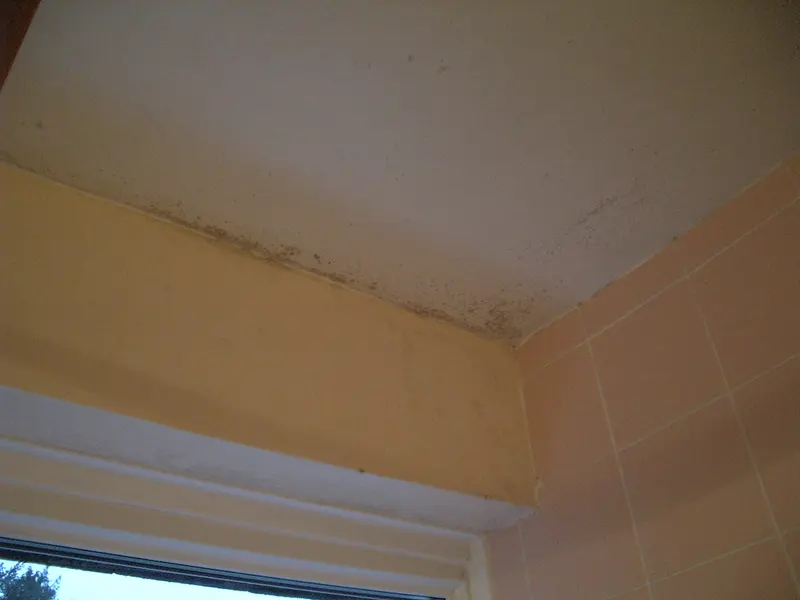 Bathroom ventilation, condensation and mould
Baths and showers fill the room with moisture, and if it can't escape it turns into condensation and mould. Why that matters more for older people, what building regulations guidance expects of a bathroom extractor fan, and what government guidance says about cleaning mould safely.
Photo: sermoa, CC BY-SA 2.0
Get an assessment first
An occupational therapist (OT) can visit you at home and recommend what is safe and suitable for you. Ask your council’s adult social care team — in Northern Ireland, your Health and Social Care Trust.