In short
- Moisture from baths and showers condenses on cold surfaces; if it can't escape, mould can grow.
- Government guidance says older people, people with health conditions and people who find it hard to get out of the house are at greater risk from damp and mould.
- Building regulations guidance asks for a bathroom extractor fan to extract at least 15 litres per second (if it runs only when needed).
- A fan with a humidity control, or one that keeps running after the light goes off, helps clear the steam.
- Fitting or changing ventilation is building work and should be done by someone competent.
- Small patches of mould can be cleaned with a mould and mildew product; larger areas need a professional.
Why bathrooms get damp
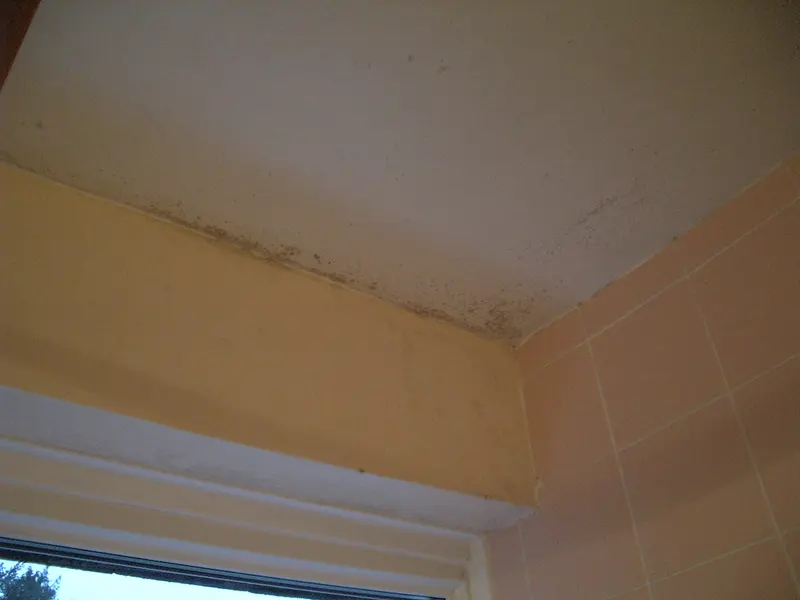
A hot bath or shower puts a lot of water into the air. Government guidance on damp and mould explains that moisture from everyday activities such as showering, cooking and drying laundry builds up in a home if it can't be removed. When the moist air meets colder surfaces — window frames, corners, ceilings — it condenses. Condensation is the most common form of damp, and where it keeps happening, mould can follow.
Bathrooms are one of the rooms the guidance singles out: it says rooms that inevitably produce a lot of moisture, such as kitchens and bathrooms, need adequate ventilation.
Who is most at risk
The guidance says everyone is vulnerable to the health effects of damp and mould, but some people are at greater risk, including:
- older people
- people who are bedbound, housebound or have mobility problems, making it harder to get out of a damp home into fresh air
- people with a weakened immune system
- people with a long-term illness or disability, who are also more likely to live in homes with damp and mould
Damp and mould mainly affect the airways and lungs. The guidance lists effects including coughing, wheezing and shortness of breath, a higher risk of airway infections, and asthma and other airway conditions developing or getting worse. It can also irritate the eyes and skin. Anyone worried about their symptoms should speak to a GP or other health professional.
Extractor fans: what the guidance expects
Approved Document F (the building regulations guidance on ventilation in England) says bathrooms should have extract ventilation to the outside. For a fan that runs only when needed (an intermittent fan), the minimum rate for a bathroom is 15 litres per second; for a fan that runs all the time at a low rate, it is 8 litres per second. These figures are the same in the current edition and in the 2026 edition, which takes effect in March 2027.
It also says:
- Fans should be fitted as high as practicable, and no more than 400mm below the ceiling.
- Automatic controls, such as a humidity sensor, should have a manual override so you can switch the fan on or off yourself.
- When a bathroom is refitted, any existing fan should be kept or replaced, and checked to make sure it works. If there was no ventilation before, a refit doesn't automatically have to add it — unless the work would make the room less compliant than it was.
The government's damp and mould guidance adds two practical options: humidity-controlled fans, which switch on when the air gets damp, and fans wired to the light with an overrun, so they keep running for a while after the light goes off.
Installing ventilation is controlled building work, the guidance says, and should be done by someone competent to do it. A fan is also an electrical fitting near water — see electrical safety in the bathroom.
Everyday habits that help
The guidance suggests:
- using the extractor fan when you bath or shower
- keeping the bathroom door closed while you bath or shower, so the steam doesn't spread through the home
- opening the window wide after bathing, then closing it once the air has changed
- having ventilation systems checked and maintained regularly
It also recognises that people worry about running costs, noise, security and losing heat. For an older person a cold bathroom brings its own risks, so the aim is a short, sharp change of air rather than a window left open all day. Our blog post on a warm, safe bathroom this winter covers heating and help with energy costs.
Cleaning mould safely
The government guidance says:
- Mould can be removed from hard surfaces with a suitable cleaning product, then left to dry completely. Mould and mildew products should be used in preference to bleach, for health and safety reasons.
- Most people can deal with condensation and very small amounts of mould themselves, but larger areas should only be tackled by qualified professionals.
- When cleaning, keep the door shut so spores don't spread to the rest of the home, keep the window open during and afterwards, and follow the product's instructions. Wash or bag up the cloth afterwards.
- Soft materials such as carpets, soft furnishings and ceiling tiles may have to be thrown away if they become mouldy.
- A mouldy smell with no mould in sight can mean mould is hidden — behind wallpaper or panelling, under carpets or behind pipes or furniture.
Cleaning only removes what you can see. The guidance is clear that simply removing surface mould will not stop it coming back unless the cause — usually poor ventilation, heating or a building defect — is dealt with.
If you rent
The same guidance tells landlords to find and fix the underlying causes of damp and mould, and says it is unreasonable to blame damp and mould on "lifestyle choices" — everyday tasks like bathing will always produce moisture. If your landlord isn't dealing with it, see if you rent your home.
If you're planning a new bathroom
A refit is a good time to get ventilation right. Ask installers how the room will be ventilated and which fan they will fit — add it to our list of questions to ask installers. Approved Document F asks for an existing fan to be kept or replaced and checked when a bathroom is refitted.
Sources we checked
- GOV.UK: Understanding and addressing the health risks of damp and mould in the home (opens another website)
- GOV.UK: Approved Document F – ventilation (opens another website)
We last checked these sources on 23 November 2026. Rules and amounts can change, so please check with the organisation before you rely on them.
Get an assessment first
An occupational therapist (OT) can visit you at home and recommend what is safe and suitable for you. Ask your council’s adult social care team — in Northern Ireland, your Health and Social Care Trust.
This guide is general information, not medical, financial or legal advice. Everyone’s needs are different. Speak to an occupational therapist, your GP or the organisations we link to before making decisions.