In short
- Ask the person how they would like to be helped, and let them do as much as is safe for them.
- Before you start, check the floor is dry, the room is warm and the water is comfortably warm.
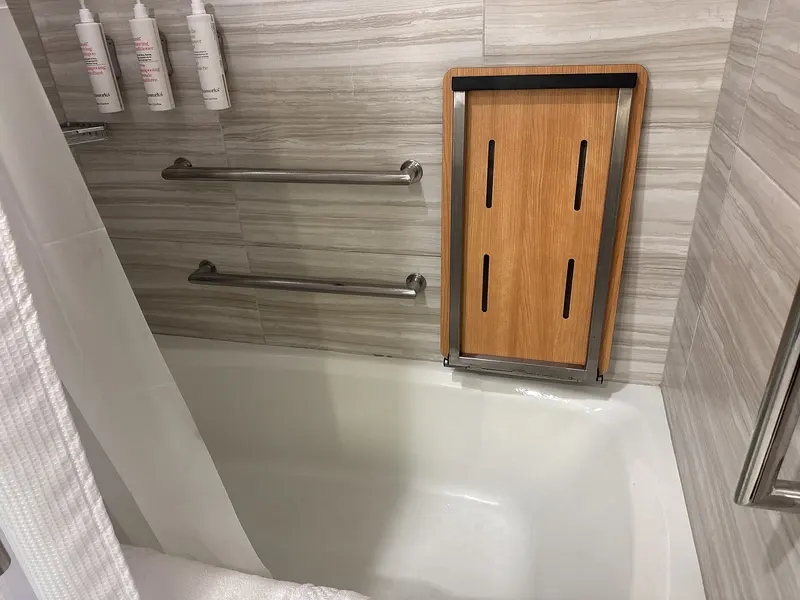
- A bath seat or a hand-held shower can make washing less worrying than deep water or an overhead shower.
- Back injuries are the most common injury for carers. Get advice before you help someone in and out of the bath.
- The council can assess the person you care for and, separately, you. Both assessments are free.
Start with what the person wants
The NHS points out that washing is a very private activity for most people. If you are helping someone, be sensitive and try to protect their dignity.
- Ask first. The NHS suggests asking the person how they would prefer to be helped, and letting them be as independent as you think is safe.
- Keep their routine. If they had a washing routine before you started caring for them, stick to it as far as you can, and use the soap, shower gel and shampoo they are used to.
- Explain as you go, especially if the person is confused.
- Stay if they want you to. Some people feel isolated if left alone. The NHS suggests taking clothes and towels into the bathroom with you, so you do not have to leave.
Make the bathroom safe before you start
If the person has limited mobility or problems with balance, the NHS says to make sure:
- the floor is not slippery — dry it if you need to
- the room is a comfortable temperature
- the water is comfortably warm, bearing in mind that older people tend to feel the cold
- the lock is taken off the door, so someone can get in quickly in an emergency
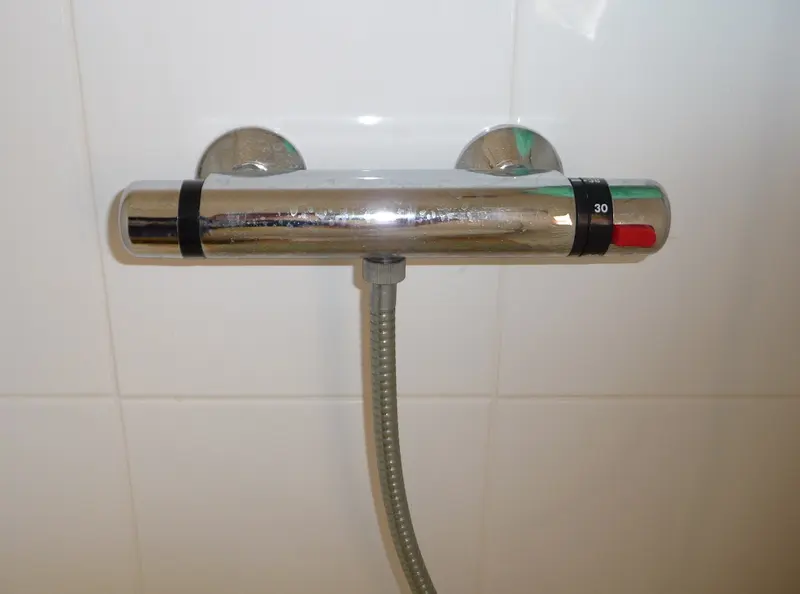
Check the water temperature before the person gets in. The Health and Safety Executive lists older people, and people with reduced mobility or a sensory impairment, among those at risk from hot water. See our guide to preventing scalds.
For more ways to cut the risk of a fall, see preventing slips and falls in the bathroom.
If the person is anxious about washing
The NHS says some people are anxious about deep bath water, and that an overhead shower can be frightening. It suggests:
- seats or recliners in the bath or shower, which can reduce anxiety
- a hand-held shower instead of an overhead one
- reassuring the person that you will not let them get hurt
- pleasant-smelling products and familiar music, to make washing more appealing
See shower seats, stools and chairs and bath lifts, bath boards and bath seats.
Look after your own back
The NHS says back injuries are the most common injury carers get, and that lifting someone the wrong way can also hurt them, for example by bruising fragile skin. If you regularly help someone move, it advises getting training or asking a healthcare professional to show you how.
The NHS also says:
- the council may run free courses on safe moving and handling
- the council may provide free equipment, such as hoists, transfer boards or slide sheets
- you should get advice from an occupational therapist, physiotherapist or social worker before you buy equipment to lift or move someone, and try it first
Getting someone in and out of the bath is one of the hardest jobs for a carer. If it is becoming difficult, ask for an occupational therapy assessment. A bath board, bath lift or a level-access shower may make it safer for you both.
Two assessments that can help
| Assessment | Who it is for | What it can lead to |
|---|---|---|
| Needs assessment | The person you care for | Equipment, changes to the home, help from a paid carer |
| Carer's assessment | You, the carer | Breaks from caring, training in safe lifting, advice on benefits |
The NHS says both are free. Anyone can ask for a needs assessment, and anyone over 18 who cares for someone can ask for a carer's assessment. They are separate, but you can ask for both to be done at the same time. Contact adult social services at the local council.
In England, if the assessment shows the person you care for needs equipment or a change to the home costing less than £1,000, the NHS says the council must provide it free. See free equipment and small adaptations.
Help with going to the toilet
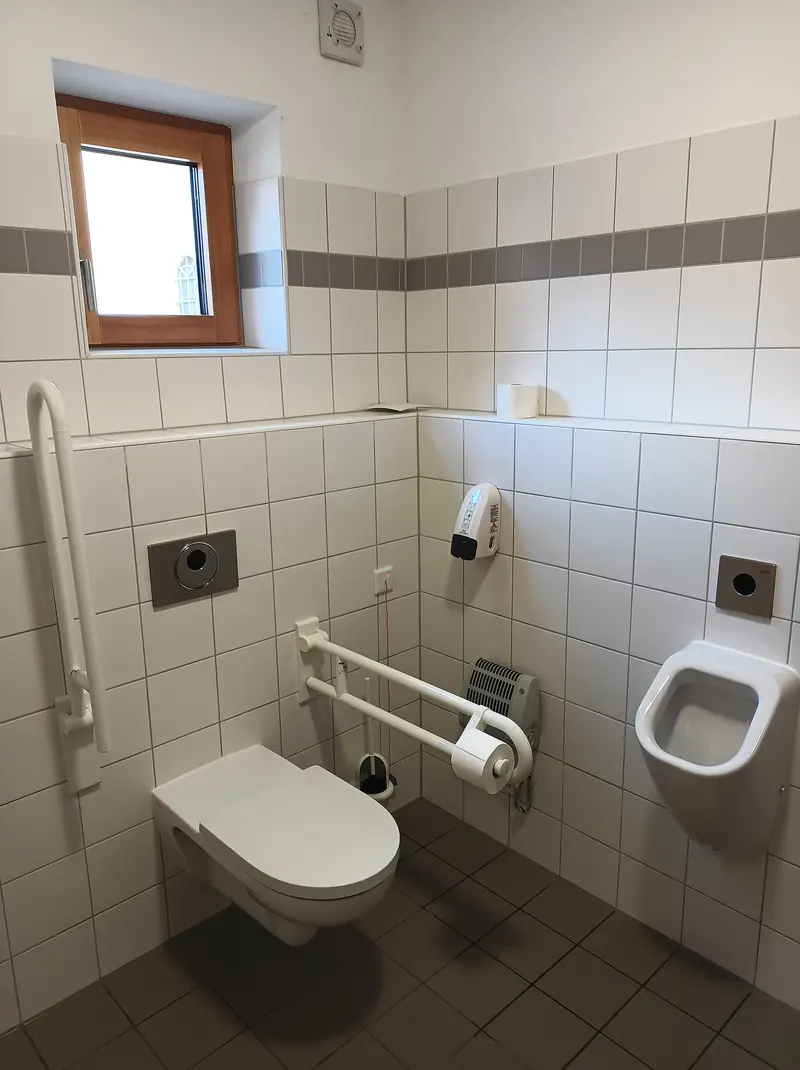
The NHS says a mobility problem can make it hard to get to the toilet in time. A GP can advise on NHS continence services, and social services should be able to provide small aids such as hand rails, commodes and raised toilet seats. See raised toilet seats and toilet frames.
Someone to talk to
Carers UK (opens another website) runs a free helpline for unpaid carers on 0808 808 7777. You can also contact your local council's adult social services.
Sources we checked
- NHS: How to help someone you care for keep clean (opens another website)
- NHS: Moving, lifting and handling someone else (opens another website)
- NHS: Carer's assessments (opens another website)
- NHS: Getting a care needs assessment (opens another website)
- NHS: Care and support you can get for free (opens another website)
- HSE: Scalding and burning (health and social care) (opens another website)
- Carers UK: Helpline and other support (opens another website)
We last checked these sources on 19 November 2026. Rules and amounts can change, so please check with the organisation before you rely on them.
Get an assessment first
An occupational therapist (OT) can visit you at home and recommend what is safe and suitable for you. Ask your council’s adult social care team — in Northern Ireland, your Health and Social Care Trust.
This guide is general information, not medical, financial or legal advice. Everyone’s needs are different. Speak to an occupational therapist, your GP or the organisations we link to before making decisions.