In short
- Shower stools stand on the floor. Wall-mounted seats fix to the wall and can fold up.
- A wall-mounted seat needs a wall and fixings strong enough for your weight.
- Check that a shower tray or bath can take the weight of someone sitting on a stool, or it may crack.
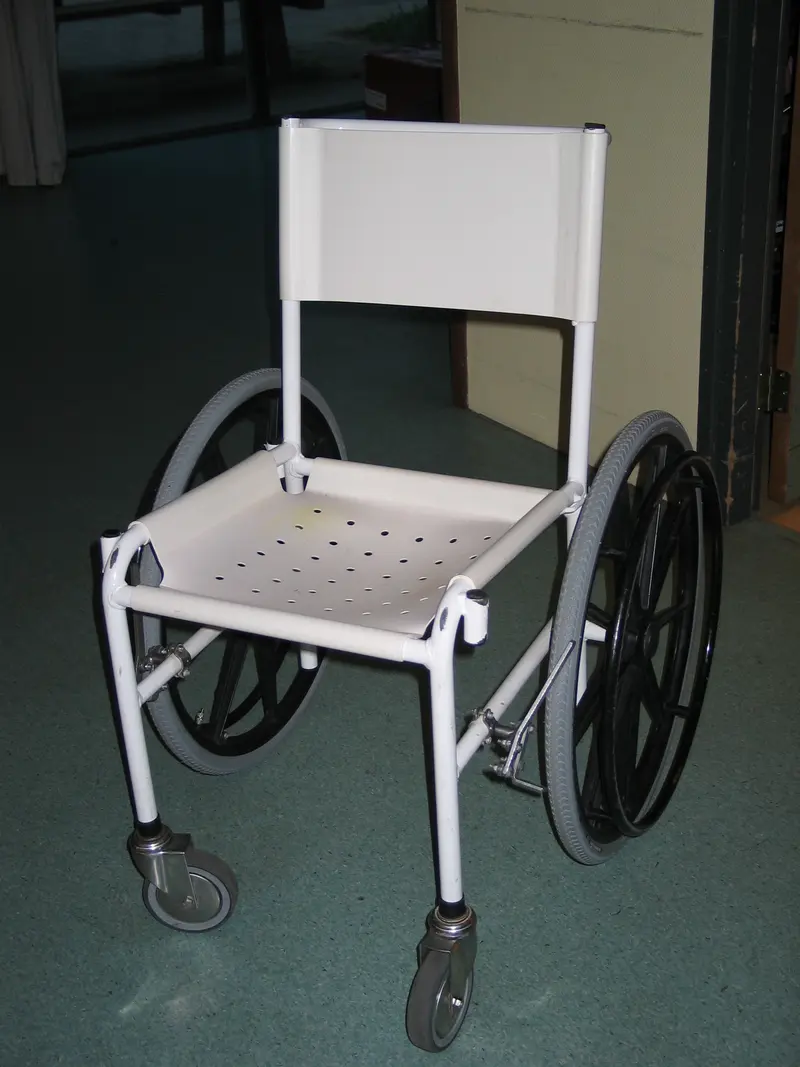
- Wheeled shower chairs can be pushed into a level-access shower or wet room.
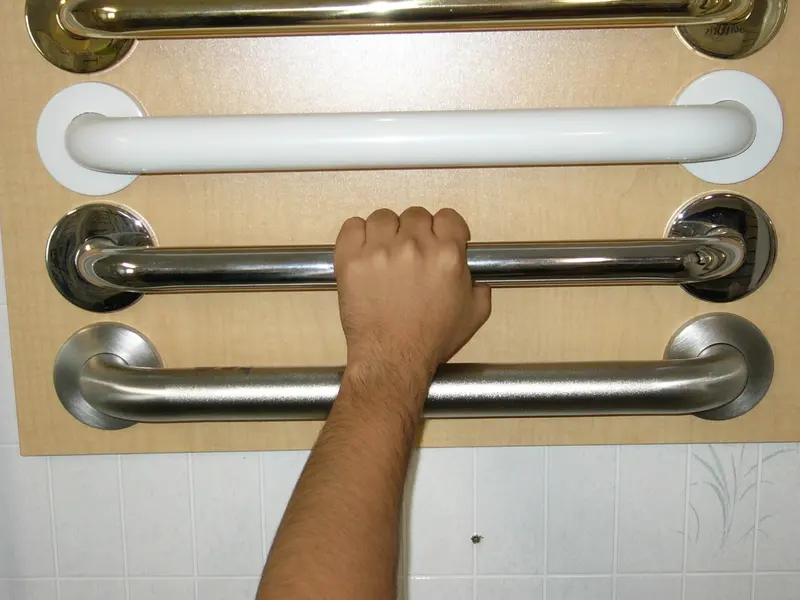
- Ask for grab rails next to the seat.
Why sit to shower?
If you get tired standing, feel dizzy, or your balance is not steady, sitting down to wash can make showering safer. NHS inform notes that hot showers and baths can make dizziness worse.
Types of shower seat
Shower stools
Living Made Easy describes shower stools as free-standing stools with non-slip feet, often with legs you can adjust for height.
Shower chairs
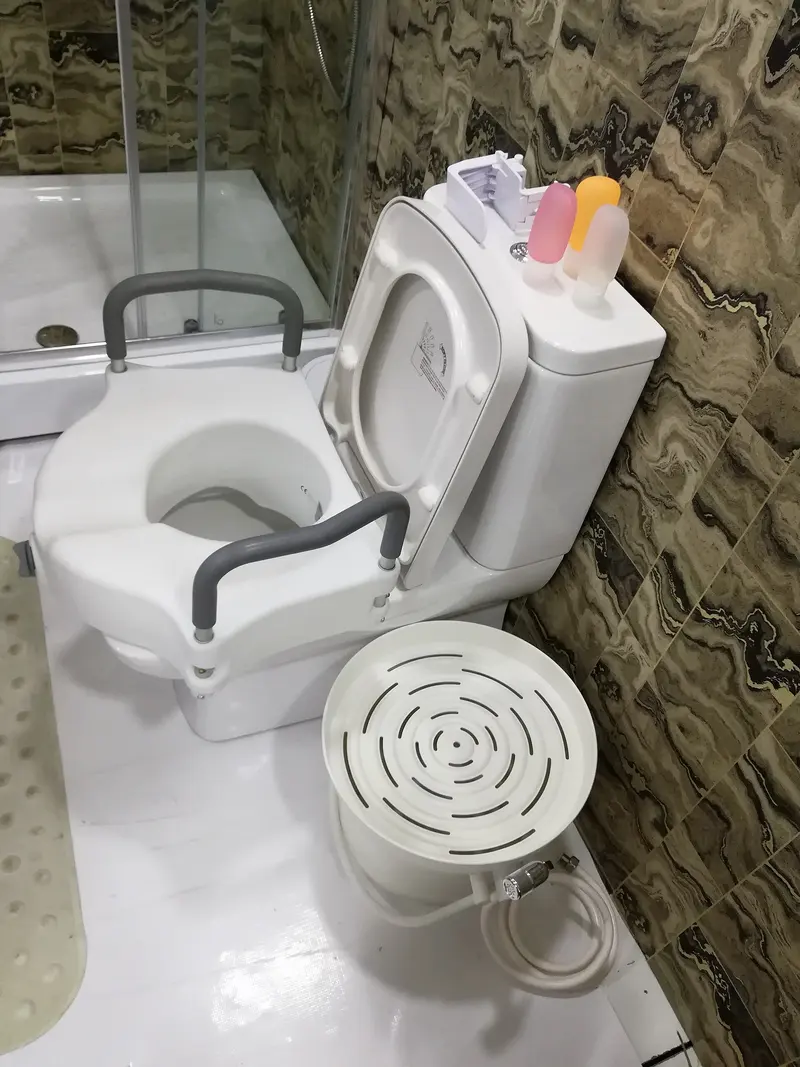
Shower chairs have a back, and some have arms, which give more support when you sit down and get up.
Wall-mounted seats
A wall-mounted seat can be fixed in place, or hinged so it folds up against the wall. Some have legs that rest on the floor of the shower. Others hold your weight through the wall brackets only. Living Made Easy says "the wall and fixings must be able to sustain the required weight of the user".
Wheeled shower chairs
Living Made Easy says mobile shower chairs "have wheels and can either be self- or attendant-propelled". They need a level floor, such as a level-access shower or a wet room.
What to check
- Weight limit. Check that the seat is made for your weight.
- Height. When you sit, your feet should be flat on the floor.
- The floor or tray. Living Made Easy warns that a shower tray or bath must be made to take the weight of a person sitting, "otherwise the tray/bath may crack".
- Space. Make sure there is room to sit down and get up, and for a carer if you have one.
- Rails. A rail next to the seat helps you sit down and get up. See grab rails.
Getting a shower seat
- In England, the NHS gives "perching stools in your kitchen or shower" as an example of equipment the council must provide free if your assessment shows you need it.
- If you are 60 or over, built-in shower seats have VAT at 5% when they are supplied and installed in your home.
See shower seats in our bathroom aids list.
Bathroom aids to look at
- Shower stool (Shower seats, stools and chairs)
- Shower chair (Shower seats, stools and chairs)
- Wall-mounted fold-down shower seat (Shower seats, stools and chairs)
Sources we checked
- Living Made Easy: Showers (opens another website)
- Living Made Easy: Bath and shower chairs (opens another website)
- GOV.UK: VAT on mobility aids (5% for people aged 60 or over) (opens another website)
- NHS: Care and support you can get for free (opens another website)
- NHS inform: Prevent falls by doing a home safety check (opens another website)
We last checked these sources on 3 October 2026. Rules and amounts can change, so please check with the organisation before you rely on them.
Get an assessment first
An occupational therapist (OT) can visit you at home and recommend what is safe and suitable for you. Ask your council’s adult social care team — in Northern Ireland, your Health and Social Care Trust.
This guide is general information, not medical, financial or legal advice. Everyone’s needs are different. Speak to an occupational therapist, your GP or the organisations we link to before making decisions.