In short
- Good, even lighting helps. The NHS says lighting is particularly important in the toilet.
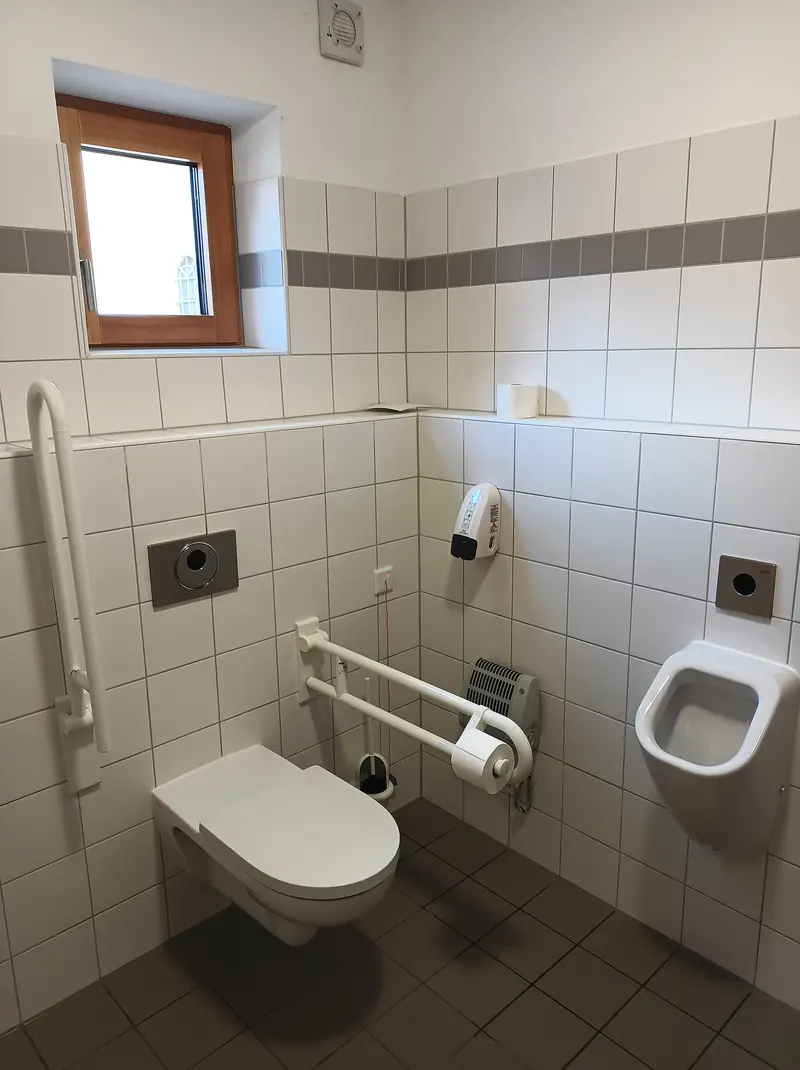
- A toilet seat in a colour that stands out from the rest of the bathroom makes it easier to see.
- A sign on the toilet door, with words and a picture, can help someone find it.
- Avoid shiny floors, rugs and mats. Shiny floors can look wet and mats can look like something to step over.
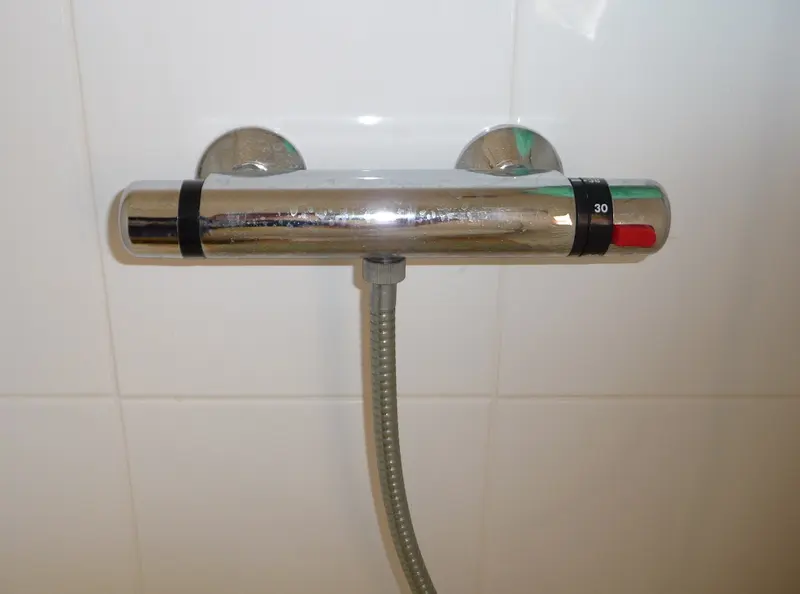
- Many people prefer familiar, traditional-style taps, flushes and plugs.
- Ask the council for a needs assessment before making big changes.
Why the bathroom matters
The NHS explains that memory loss, confusion and difficulty learning new things can mean someone with dementia forgets where they are, where things are and how things work. In its advice on looking after someone with dementia, the NHS says the person may simply forget that they need the toilet, or where the toilet is.
The NHS advises against making major changes to the home overnight. Small, familiar changes are usually a better place to start.
Lighting
The NHS says most people with dementia, and older people in general, benefit from better lighting, and that it can help to reduce confusion and the risk of falls. It suggests:
- bright, even lighting, with as much natural light as possible
- cutting down glare, shadows and reflections
- light switches that are easy to reach and use
- automatic sensor lights, which come on when someone walks past
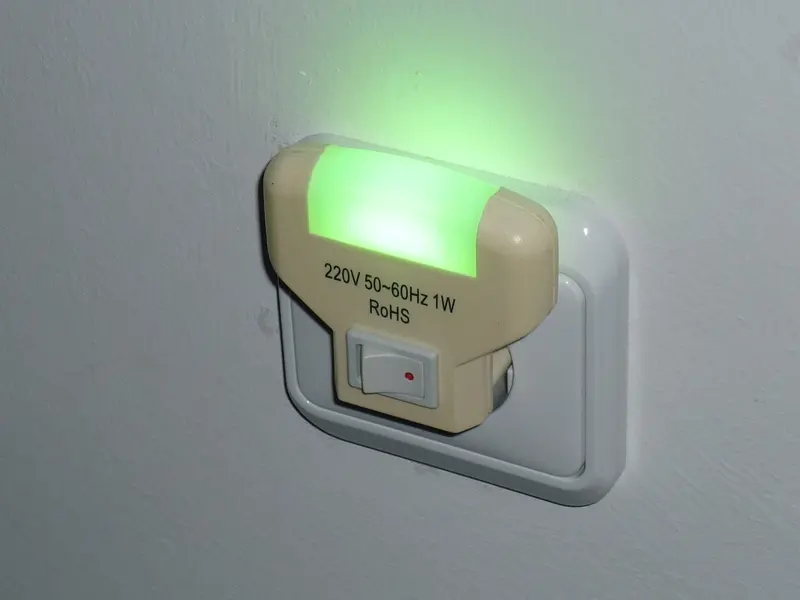
It says lighting is particularly important on the stairs and in the toilet. For night-time, the NHS suggests keeping the toilet door open and a light on, or using sensor lights. A plug-in night light is one simple option.
The NHS also recommends regular eye tests.
Colour and contrast
Dementia can affect how well someone can tell colours apart. The NHS suggests:
- a toilet seat in a contrasting colour to the rest of the bathroom
- walls and floors in colours that contrast with each other
- avoiding bold patterns and stripes, which can be confusing
If you are planning a new bathroom, it is worth asking the designer or installer about contrast between the floor, walls, toilet, basin and grab rails. See grab rails.
Floors
The NHS advice on flooring:
- Avoid rugs and mats. Some people with dementia may think a mat is an object they need to step over, which could lead to a trip or fall.
- Avoid shiny or reflective floors. They can look wet, and the person may find them hard to walk across.
- Choose matt flooring in a colour that contrasts with the walls. The NHS says it may help to avoid colours that can be mistaken for real things, such as green (grass) or blue (water).
Our guide to preventing falls mentions non-slip bath and shower mats. If the person you care for has dementia, think about whether a mat could confuse them, and ask an occupational therapist what would be safest. See preventing slips and falls.
Mirrors
The NHS says some people with dementia may be distressed if they do not recognise themselves. Check mirrors and cover or remove any that seem to cause confusion. Closing the curtains in the evening stops reflections in the window glass too.
Signs and labels
The NHS suggests a toilet sign on the bathroom or toilet door. It says signs should:
- be clear
- have words and a picture that stand out from the background
- be placed slightly lower than usual, because older people tend to look downwards
Familiar fittings
The NHS says the person you care for may prefer traditional-style fittings, such as taps, a toilet flush or bath plugs. If you are replacing taps or a toilet, choose controls that look and work the way the person expects. See lever taps and other small aids.
Washing and bathing
The NHS says some people with dementia become anxious about washing. They may worry about deep bath water, the noisy rush of water from an overhead shower, falling, or getting undressed in front of someone else. It suggests:
- asking the person how they would like to be helped
- reassuring them that you will not let them get hurt
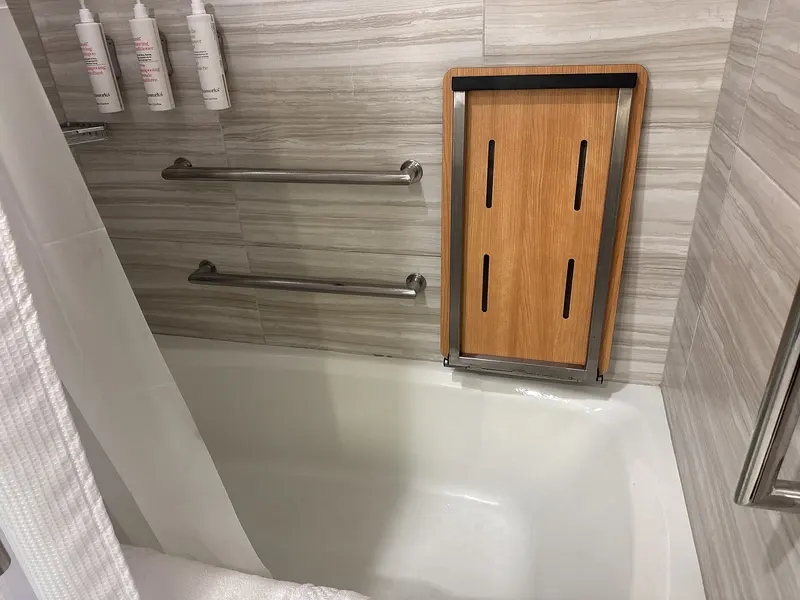
- using a bath seat or a hand-held shower
- using the soap, shampoo or shower gel they prefer
- staying with them if they do not want to be left alone
See our guide for carers: helping someone to wash. Always check the water temperature — see preventing scalds.
Get an assessment
The NHS says that if the person with dementia has not had one, it is important to get a needs assessment from the local council. If it seems changes are needed, such as grab rails in the bathroom, they may be referred for a separate home assessment. See getting an occupational therapy assessment.
Sources we checked
- NHS: How to make your home dementia friendly (opens another website)
- NHS: Looking after someone with dementia (opens another website)
- NHS: Getting a care needs assessment (opens another website)
- NHS: How to help someone you care for keep clean (opens another website)
We last checked these sources on 19 November 2026. Rules and amounts can change, so please check with the organisation before you rely on them.
Get an assessment first
An occupational therapist (OT) can visit you at home and recommend what is safe and suitable for you. Ask your council’s adult social care team — in Northern Ireland, your Health and Social Care Trust.
This guide is general information, not medical, financial or legal advice. Everyone’s needs are different. Speak to an occupational therapist, your GP or the organisations we link to before making decisions.