In short
- In England, aids and minor adaptations costing £1,000 or less are free if a council assessment shows you need them.
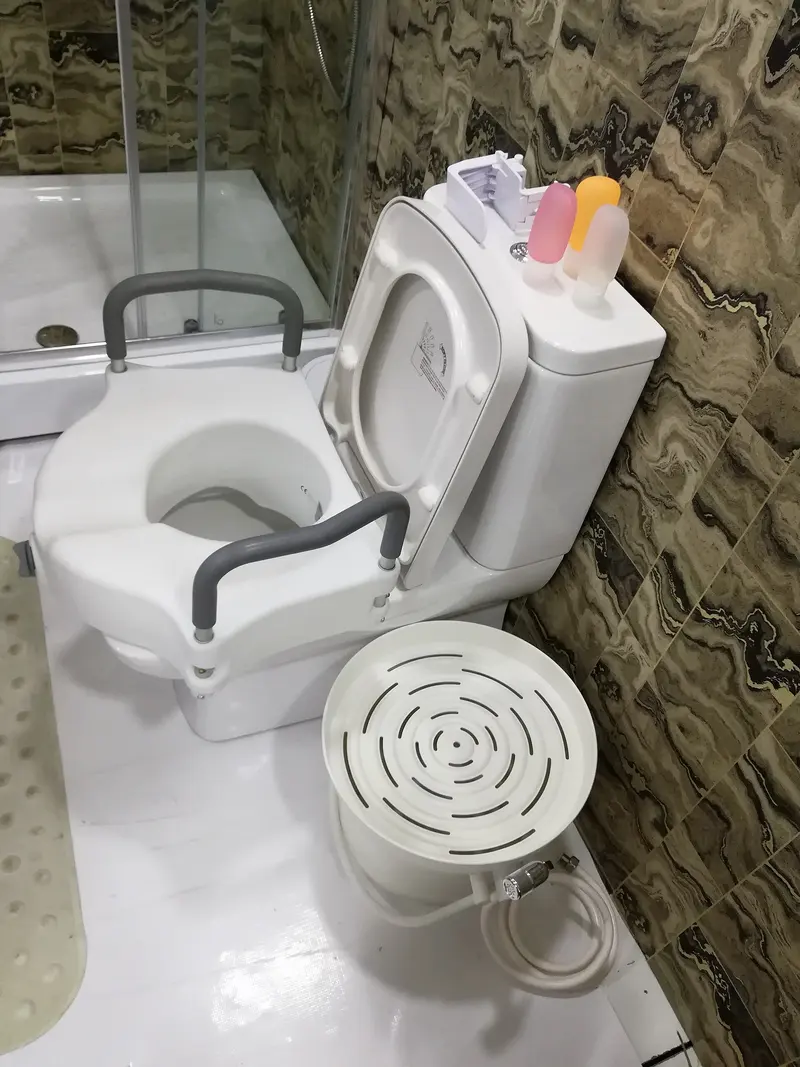
- Examples include grab rails for the bathroom and perching stools for the shower.
- The needs assessment is free, and anyone can ask for one.
- In Wales, Northern Ireland and Scotland the rules are different — ask your council or Health and Social Care Trust.
- Bigger changes may be covered by a grant.
England: the £1,000 rule
The Care Act charging regulations say councils in England must provide "community equipment (aids and minor adaptations)" free of charge. An adaptation counts as minor "if the cost of making the adaptation is £1,000 or less".
The NHS puts it like this: "If the assessment finds you need a change to your home or a piece of equipment that costs less than £1,000, the council must provide it free of charge."
The NHS gives examples such as:
- grab rails for the bathroom
- perching stools in your kitchen or shower
The limit applies to each item or adaptation. The NHS says you "may be entitled to free home adaptations and equipment provided they cost less than £1,000 each".
How to ask
- Contact adult social care at your local council and ask for a needs assessment. The NHS says "the needs assessment is free and anyone can ask for one". You can call or apply online. You can also apply through GOV.UK (opens another website) (England and Wales).
- If you may need changes to your home, you might also be referred for a separate home assessment. The NHS says "having a home assessment is free".
- An occupational therapist will visit, ask questions and walk around with you to see what you find hard.
Read more: getting an occupational therapy assessment.
Wales
The Welsh Government's ENABLE scheme lists grab rails, stair rails, small ramps and accessible taps as "small" adaptations. Contact your council, or your landlord if you rent. We have not found an official Welsh rule that matches England's £1,000 rule, so ask your council what you would have to pay.
Northern Ireland
nidirect says minor adaptations, such as handrails, "may be available through your local Trust following assessment by an occupational therapist". If you rent from the Housing Executive or a housing association, some minor adaptations are available from your landlord without an assessment.
Scotland
The Scottish Government says smaller changes "such as fitting grab rails" are dealt with differently from grants for major adaptations. Ask your council's social work team.
Bigger changes
For larger work, such as a level-access shower or a wet room, see Disabled Facilities Grants or, in Scotland, help with adaptation costs in Scotland.
Questions people ask
Are grab rails free?
In England, aids and minor adaptations costing £1,000 or less must be provided free if a council assessment shows you need them — and the NHS gives grab rails for the bathroom as an example. In Wales, grab rails are a "small" adaptation under the ENABLE scheme. In Northern Ireland, handrails may come from your Health and Social Care Trust after an assessment. In Scotland, ask your council's social work team.
Sources we checked
- Care and Support (Charging and Assessment of Resources) Regulations 2014, regulation 3 (opens another website)
- NHS: Care and support you can get for free (opens another website)
- NHS: Home adaptations (opens another website)
- NHS: Getting a care needs assessment (opens another website)
- GOV.UK: Apply for equipment for your home if you're disabled (opens another website)
- Welsh Government: ENABLE – support for living independently (opens another website)
- nidirect: Adapting your home (opens another website)
- Scottish Government: Funding adaptations to the home – a guide for homeowners (2011) (opens another website)
We last checked these sources on 3 October 2026. Rules and amounts can change, so please check with the organisation before you rely on them.
Get an assessment first
An occupational therapist (OT) can visit you at home and recommend what is safe and suitable for you. Ask your council’s adult social care team — in Northern Ireland, your Health and Social Care Trust.
This guide is general information, not medical, financial or legal advice. Everyone’s needs are different. Speak to an occupational therapist, your GP or the organisations we link to before making decisions.