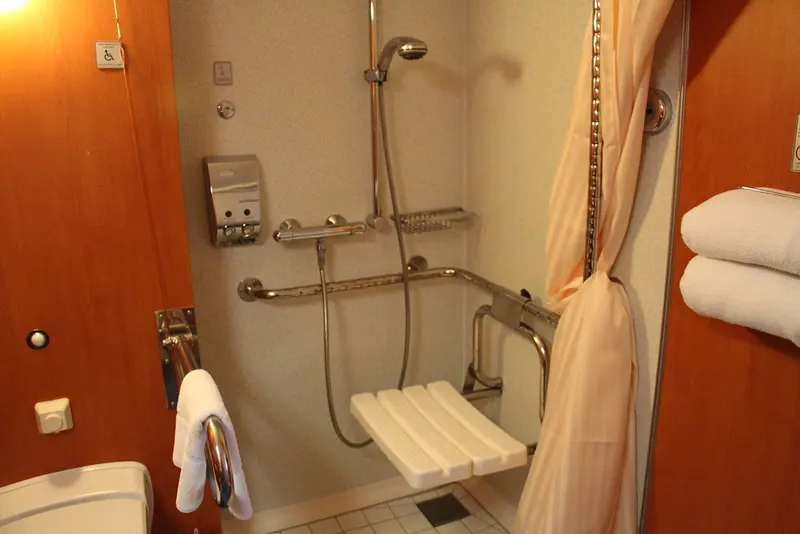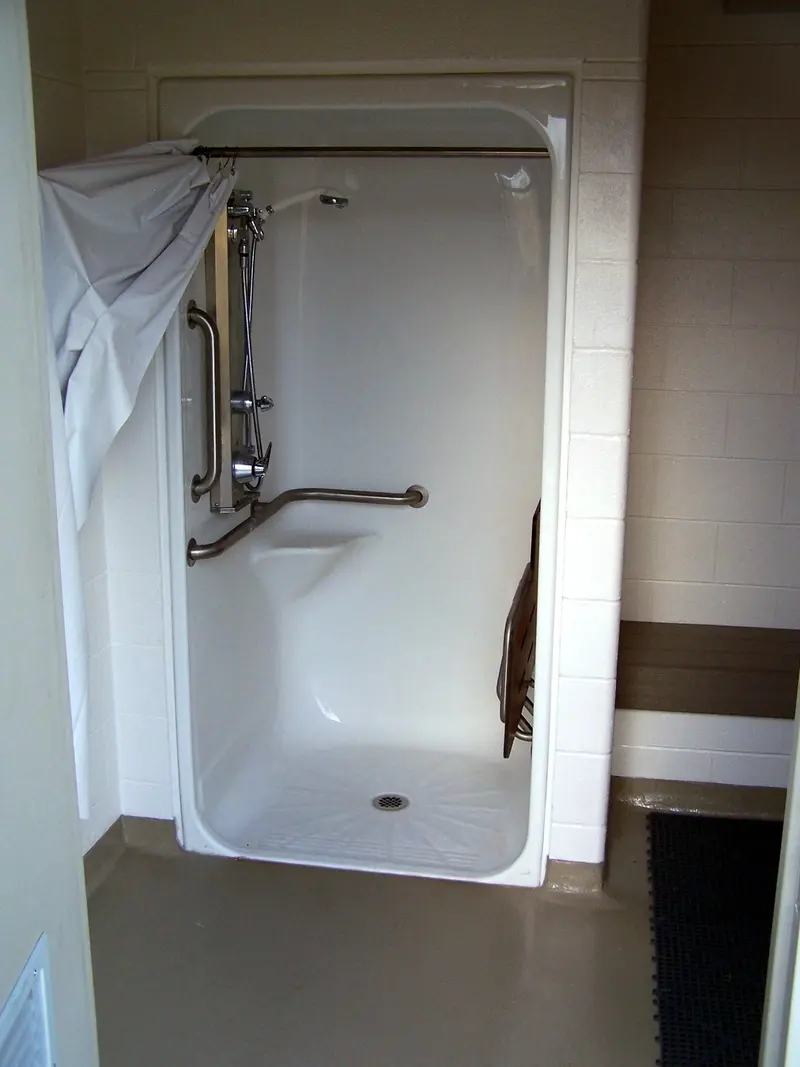
In short
- There is no general "free walk-in shower" grant for everyone over a certain age. Help depends on need, not age alone.
- In England, Wales and Northern Ireland the main help is a Disabled Facilities Grant (DFG). GOV.UK gives a "level access shower" as an example of what it can pay for.
- Maximum DFG: England £30,000, Wales £36,000. For Northern Ireland, nidirect says up to £35,000 (up to £70,000 in some cases).
- In England, adults' grants are means-tested. A DFG does not affect your benefits.
- Do not start work before the grant is approved, or you may get nothing.
- Scotland has no DFGs, but councils can still help.
The short answer
If you or someone you live with is disabled, or finds it hard to use the bath because of their age or health, you may be able to get help paying for a walk-in or level-access shower. There is no grant that gives everyone over a certain age a free shower. Help depends on what you need, where you live and, for most adults in England, your income and savings.
There are three main kinds of help:
- A Disabled Facilities Grant (DFG) from your council, for bigger jobs such as replacing a bath with a level-access shower or fitting a wet room.
- Free small adaptations after a council assessment, such as grab rails.
- VAT relief, which can make the work cheaper even if you pay for it yourself.
1. A Disabled Facilities Grant
GOV.UK says a DFG can help "improve access to rooms and facilities, for example with a stairlift, or level access shower". The NHS gives "fitting a wet room" as an example of an expensive adaptation that a grant may help with. GOV.UK also says a DFG "will not affect any benefits you get".
How much?
| Where you live | Maximum grant |
|---|---|
| England | Up to £30,000 (GOV.UK says some councils may give more) |
| Wales | Up to £36,000 |
| Northern Ireland | nidirect says up to £35,000, or up to £70,000 in some cases |
| Scotland | No Disabled Facilities Grants – see below |
GOV.UK's own DFG page gives a lower figure (£25,000) for Northern Ireland. We use nidirect's, because it is the Northern Ireland government's website, but check with your Trust.
Will I have to pay towards it?
For adults in England, the amount usually depends on your household income and any household savings over £6,000, so you may need to pay part of the cost. Disabled children under 18 can get a grant without their parents' income being counted. Wales and Northern Ireland have their own rules – see our Disabled Facilities Grants guide.
Who can apply?
In England, the person applying must be the owner, the tenant or the landlord. The disabled person must intend to live in the home for the grant period, which is usually 5 years. The council must be satisfied that the work is "necessary and appropriate" for the disabled person's needs and is reasonable and can be done, given the age and condition of the home.
If you rent, see if you rent your home.
How to apply
- Contact your council. You can find your council on GOV.UK (opens another website). In Northern Ireland, nidirect says to contact your local Health and Social Care Trust, which starts the process with the Housing Executive.
- Have an assessment. The council may send an occupational therapist or trained assessor to see what changes you need. The NHS says an occupational therapist will visit you at home and that assessments usually take at least an hour. See getting an occupational therapy assessment.
- Wait for approval. In England, the council must give you a decision within 6 months. Planning permission or building regulations approval are applied for separately.
- Have the work done. It should be finished within 12 months of approval. The council may pay in instalments or in full when the work is done, sometimes straight to the builder.
Do not start the work before the grant is approved. GOV.UK warns: "You might not get any grant if you start work on your property before the council approves your application." nidirect says the same for Northern Ireland.
If you are unhappy with the decision, you can appeal to your council and then complain to the Local Government Ombudsman. GOV.UK says the government funds an organisation called Foundations that can help you apply.
2. Small changes may be free
The NHS says your council should pay for each adaptation that costs less than £1,000, after an assessment. Its examples include grab rails. A walk-in shower usually costs more than that, but rails, a shower seat or other aids might be all you need for now. See free equipment and small adaptations.
3. VAT relief
You may not have to pay VAT even if you pay for the shower yourself:
- Disabled or chronically sick: HMRC's VAT Notice 701/7 says adapting a bathroom in your home can be zero-rated if the work is necessary to suit a disabled person's condition. It says a bathroom "includes a shower or 'wet' room". People who are older but not disabled or chronically sick do not qualify for this.
- Aged 60 or over: the reduced rate of VAT can apply when certain mobility aids are supplied and installed in your home. HMRC's list includes grab rails, built-in shower seats and showers with built-in seats.
You normally give the installer a written declaration, separate from the invoice. See VAT relief on bathroom adaptations.
Scotland
There are no Disabled Facilities Grants in Scotland, but councils can still help with adaptations. See help with adaptation costs in Scotland.
Before you get quotes
- Ask for an occupational therapy assessment first. It can tell you whether a level-access shower, a low tray or a wet room suits you best.
- Be wary of anyone who says they can get you a "free government shower". Grants are applied for through your council, not through a salesperson.
- Compare the options in walk-in and level-access showers and wet rooms.
Sources we checked
- GOV.UK: Disabled Facilities Grants (opens another website)
- GOV.UK: Disabled Facilities Grants – what you'll get (opens another website)
- GOV.UK: Disabled Facilities Grants – eligibility (opens another website)
- GOV.UK: Disabled Facilities Grants – how to apply (opens another website)
- GOV.UK: Apply for a Disabled Facilities Grant (find your council) (opens another website)
- nidirect: Disabled Facilities Grants (opens another website)
- NHS: Home adaptations (opens another website)
- HMRC: Reliefs from VAT for disabled and older people (VAT Notice 701/7) (opens another website)
We last checked these sources on 23 November 2026. Rules and amounts can change, so please check with the organisation before you rely on them.
Get an assessment first
An occupational therapist (OT) can visit you at home and recommend what is safe and suitable for you. Ask your council’s adult social care team — in Northern Ireland, your Health and Social Care Trust.
This guide is general information, not medical, financial or legal advice. Everyone’s needs are different. Speak to an occupational therapist, your GP or the organisations we link to before making decisions.