In short
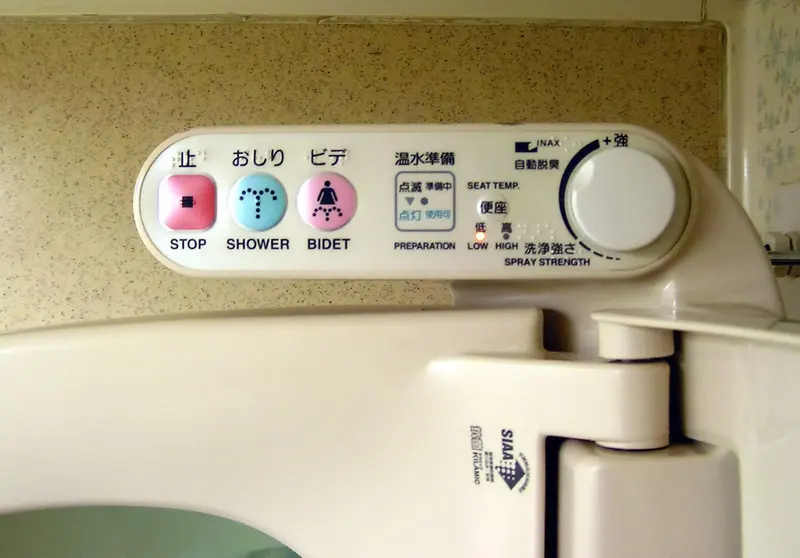
- A wash-and-dry toilet (or toilet seat) washes with warm water and dries with warm air after you use it, usually worked from a hand control.
- For someone who finds wiping difficult, it can mean they no longer need a carer's help — which matters for independence and dignity.
- It needs a mains electrical connection, so plan it with a registered electrician.
- Living Made Easy suggests a demonstration before you buy, and checking for WRAS approval.
- It may be provided through a Disabled Facilities Grant after an occupational therapy assessment, and can qualify for VAT relief.
Who it can help
Cleaning yourself after using the toilet is one of the more private things to lose. Living Made Easy, the Disabled Living Foundation's advice site, says problems with upper limb movement, balance, dexterity, cognitive function and a person's weight can all make it hard to clean yourself by hand.
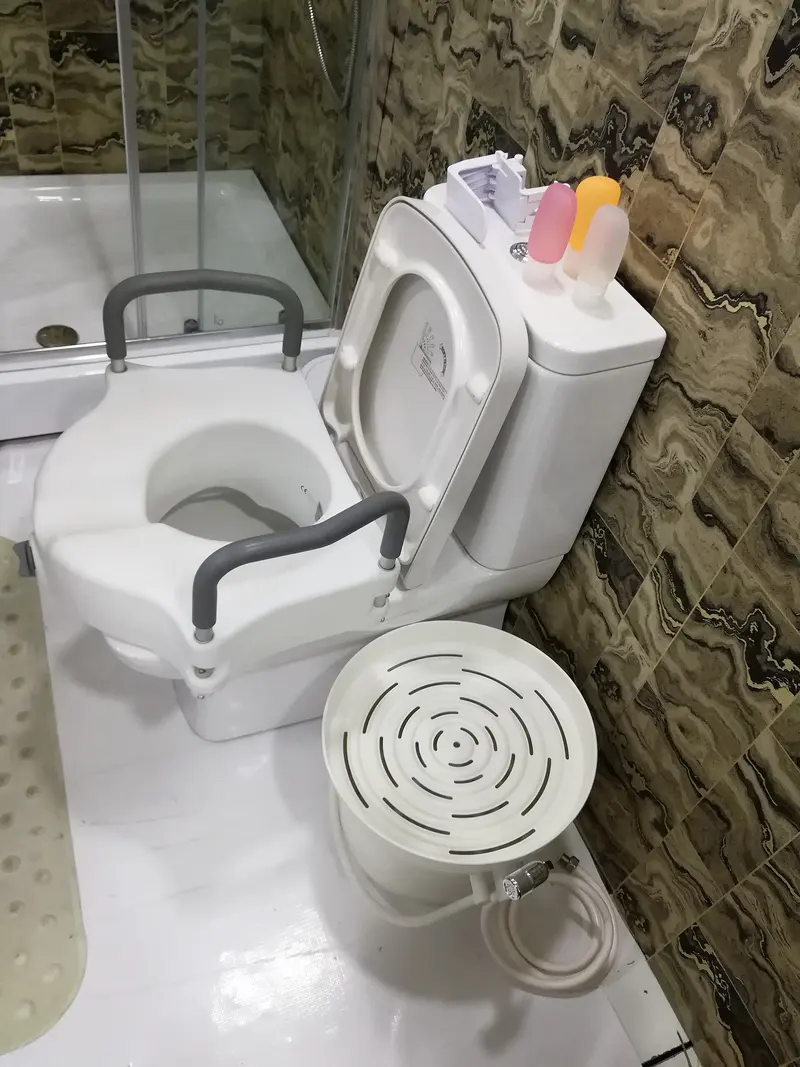
A wash-and-dry toilet (sometimes called a wash/dry toilet, or a bidet toilet) deals with that automatically. Living Made Easy describes them as providing automatic flushing, warm water washing and warm air drying after you use the toilet. It says this can remove the need for a carer's help, supporting independence and dignity.
How they work
- Toilet or seat. Living Made Easy covers both complete wash-and-dry toilets and wash-and-dry seats that fit an existing pan. A specialist supplier can say which suits your bathroom.
- The controls. Usually a hand control, which the user or a carer can hold, or which can be fixed to the wall. Living Made Easy says some suppliers offer touch-sensitive switches that can be pressed with a fist, an elbow or under the armpit if hand movement is difficult.
- Everyone can still use it. It works as an ordinary flushing toilet without the washing and drying, so other people in the household can use it as normal.
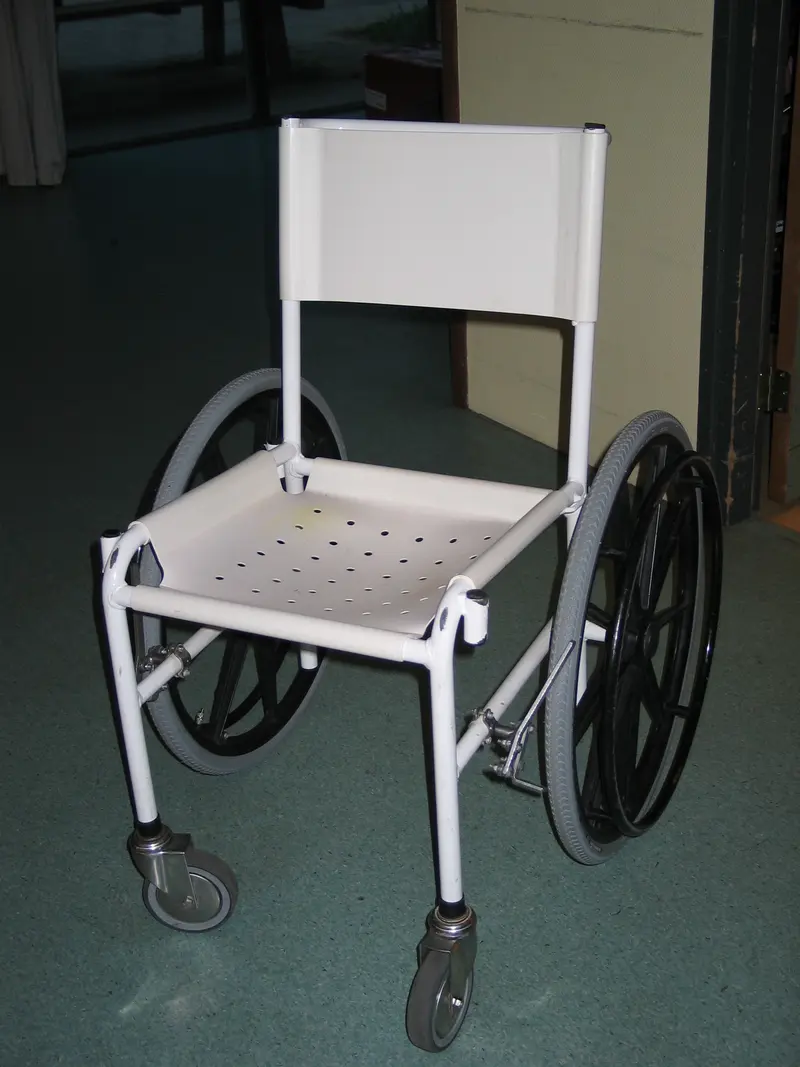
- Wall-mounted models can be fixed at a height to suit the user and leave more space under the bowl, which Living Made Easy says can help if the toilet is used from a wheelchair, a mobile toilet chair or a commode.
What to check before you buy
Living Made Easy's points to consider include:
- Power. A wash-and-dry toilet needs a mains electrical connection. Plan this, and the space it needs, as part of the bathroom design.
- Fitting and servicing. You may need to find your own plumber to fit or service it. Some companies offer an extended warranty and their own engineers.
- WRAS approval. Living Made Easy says approval under the Water Regulations Approval Scheme shows that regulations on installation and performance have been met.
- Future needs. Think about extra adaptations you might need later, such as arms, a plinth to raise the toilet or side supports. Not every model can be adapted.
- Weight limit. Toilets have a safe working load — check it with the supplier before ordering.
- Ease of use. Complex hand controls can be confusing for some people, especially with a cognitive impairment. Our guide to a dementia-friendly bathroom has more on familiar, simple fittings.
- See it working. Because there are so many features, Living Made Easy recommends a demonstration before you buy. Contact the manufacturer.
Electricity near water needs care. Any new wiring for a toilet in a bathroom should be done by a registered electrician — see electrical safety in the bathroom.
Getting the height right
The right height makes sitting down and standing up safer. Living Made Easy suggests that when you sit on the toilet with your feet flat on the floor, your thighs should be roughly level, with your knees and hips at the same height. A toilet at about the height from the floor to the back of your knee (measured in your usual shoes or slippers, rounding down) is most likely to suit. If the toilet is too low, our guide to raised toilet seats and toilet frames explains the simpler options.
Help with the cost
- Disabled Facilities Grant. Living Made Easy says wash-and-dry toilets are sometimes available from the council through a Disabled Facilities Grant, and that an assessment by an occupational therapist is needed first. See Disabled Facilities Grants explained and getting an occupational therapy assessment.
- VAT relief. HMRC's VAT Notice 701/7 lists devices with a warm air drier and bidet jet built in among the sanitary devices that can be sold VAT-free to an eligible disabled person. Our VAT relief guide explains who qualifies and how to claim.
If you hope to get a grant, don't buy or start work first: as our grant guide explains, GOV.UK warns you might not get any grant if work starts before the council approves your application.
Sources we checked
- Living Made Easy (Disabled Living Foundation): Adapting your home – the bathroom (opens another website)
- HMRC: VAT Notice 701/7, Reliefs from VAT for disabled and older people (opens another website)
- GOV.UK: Disabled Facilities Grants (opens another website)
We last checked these sources on 23 November 2026. Rules and amounts can change, so please check with the organisation before you rely on them.
Get an assessment first
An occupational therapist (OT) can visit you at home and recommend what is safe and suitable for you. Ask your council’s adult social care team — in Northern Ireland, your Health and Social Care Trust.
This guide is general information, not medical, financial or legal advice. Everyone’s needs are different. Speak to an occupational therapist, your GP or the organisations we link to before making decisions.