If someone over State Pension age needs help to wash, bathe, get to the toilet or stay safe because of a disability or health condition, they may be entitled to Attendance Allowance. People sometimes assume it depends on income or savings, or that you need a carer before you can claim. GOV.UK says neither is the case.
This article summarises GOV.UK's guidance as it stood on 23 November 2026. It is general information, not benefits advice: rates and rules change, and a local advice service or charity can help with a claim — see our guide to charities and free advice.
What it is
GOV.UK describes Attendance Allowance as helping with extra costs if you have a disability or health condition severe enough that you need someone to help look after you. It is for personal support — it doesn't cover mobility needs.
Two points GOV.UK makes clearly:
- It isn't means-tested. Your earnings and savings don't affect how much you get.
- You don't need to have a carer to claim. What counts is the help you *need*, not whether anyone is giving it.
Who can get it
GOV.UK's eligibility page says you must have reached State Pension age, and have a physical disability, a mental disability or a health condition that is severe enough for you to need help caring for yourself or someone to supervise you for your safety. You must have needed that help for at least 6 months.
There are also residence conditions — for example, usually having been in Great Britain for at least 2 of the last 3 years — and you can't get it alongside some other disability benefits such as Personal Independence Payment.
Other points from GOV.UK:
- There are different rules if you're nearing the end of life, and you may get it more quickly and at the higher rate.
- You can't usually get it if you live in a care home and your care is paid for by the local authority, but you can if you pay for all your care home costs yourself.
- If you live in Scotland, you apply for Pension Age Disability Payment instead. Northern Ireland has its own process.
How much
GOV.UK lists two weekly rates:
- Lower rate — £76.70 a week: for frequent help or constant supervision during the day, *or* supervision at night.
- Higher rate — £114.60 a week: for help or supervision throughout both day and night, or if a medical professional has said you're nearing the end of life.
It's paid into a bank, building society or credit union account. GOV.UK also says that getting Attendance Allowance might mean you can get extra Pension Credit, Housing Benefit or Council Tax Reduction — check with the office that pays those.
Washing, bathing and the toilet
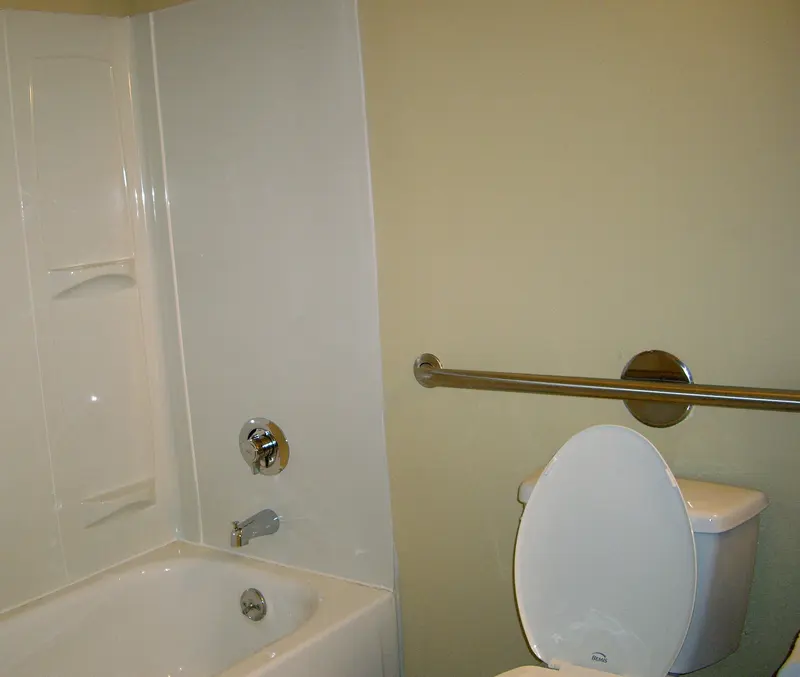
The kind of help that counts is the everyday personal care that this site is mostly about. If someone struggles to get in and out of the bath safely, needs someone nearby in the shower in case they fall, needs help on and off the toilet or at night, that is the sort of need to describe on the form.
It helps to be specific and honest about bad days as well as good ones: what happens, how often, and what would happen if no one helped. Some people find it useful to jot down for a week or two what help is needed and when.
How to claim
GOV.UK says you can:
- apply online through the DWP's Attendance Allowance service
- print and post the claim form to the Freepost address on GOV.UK ("Freepost DWP Attendance Allowance", nothing else on the envelope)
- call the helpline on 0800 731 0122 (Monday to Friday, 8am to 6pm; Relay UK 18001 then 0800 731 0122) to ask for a form
The date your claim starts depends on how you apply: online, it's the day you claim; by post, the day the DWP gets the form; if you ring for a form, it's the date of your call — as long as you return the form within 6 weeks.
GOV.UK says you should get a text or letter within 3 weeks explaining when to expect a decision. If you disagree with the decision, you can ask for a mandatory reconsideration.
Alongside other help
Attendance Allowance is separate from help with adapting the home. Equipment and small adaptations may be free after an assessment — see free equipment and small adaptations — and bigger changes such as a level-access shower may qualify for a Disabled Facilities Grant. Our FAQ also covers whether a grant affects benefits.
If a family member helps a lot, they may be able to get support as a carer too; our guide to helping someone to wash has more.
-
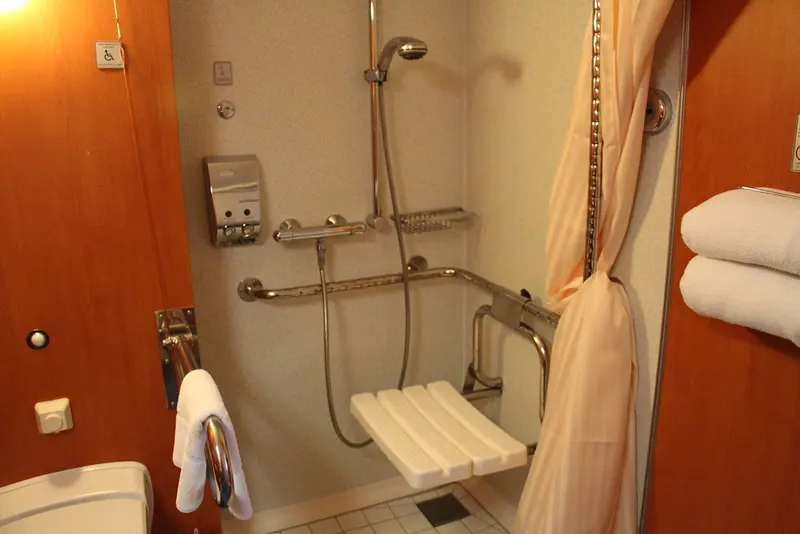 Charities and free advice
Free, independent help with adaptations, grants and finding equipment — from national charities, home improvement agencies and advice services across the UK.
Photo: ironypoisoning, CC BY-SA 2.0
-
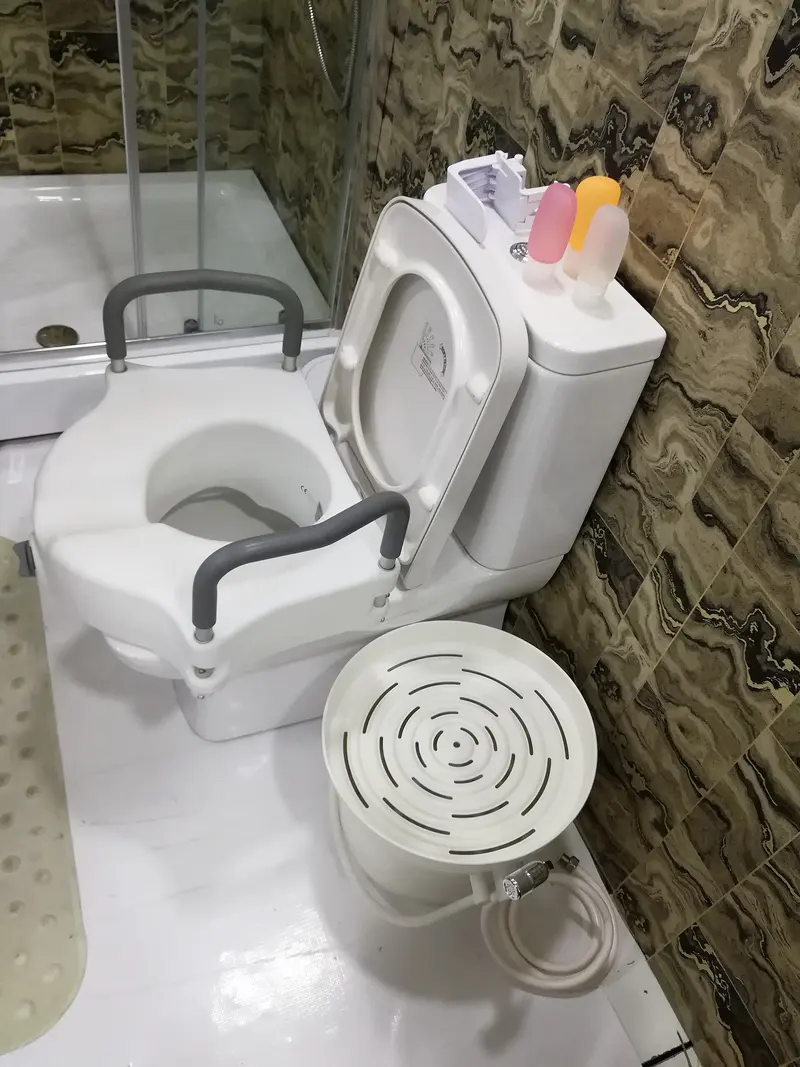 Free bathroom equipment and small adaptations
In England, the council must provide aids and minor adaptations costing £1,000 or less free if your assessment shows you need them. How to ask.
Photo: Ashashyou, CC BY-SA 3.0
-
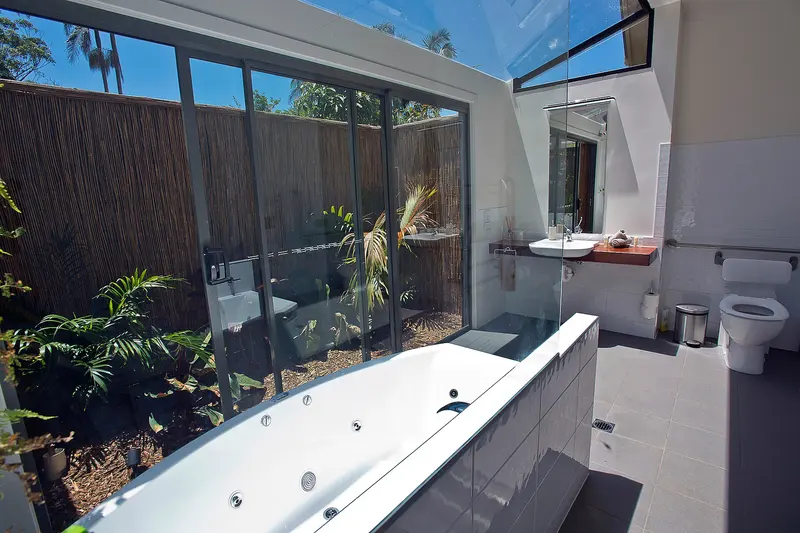 Disabled Facilities Grants explained
A Disabled Facilities Grant (DFG) can pay for changes such as a level-access shower. How much, who can apply and how it works across the UK.
Sources we checked
- GOV.UK: Attendance Allowance (opens another website)
- GOV.UK: Attendance Allowance — eligibility (opens another website)
- GOV.UK: Attendance Allowance — what you'll get (opens another website)
- GOV.UK: Attendance Allowance — how to claim (opens another website)
Checked 23 November 2026. Rules, amounts and phone numbers can change, so please check with the organisation before you rely on them.
Get an assessment first
An occupational therapist (OT) can visit you at home and recommend what is safe and suitable for you. Ask your council’s adult social care team — in Northern Ireland, your Health and Social Care Trust.
This article is general information, not medical, financial or legal advice. Everyone’s needs are different. Speak to an occupational therapist, your GP or the organisations we link to before making decisions.